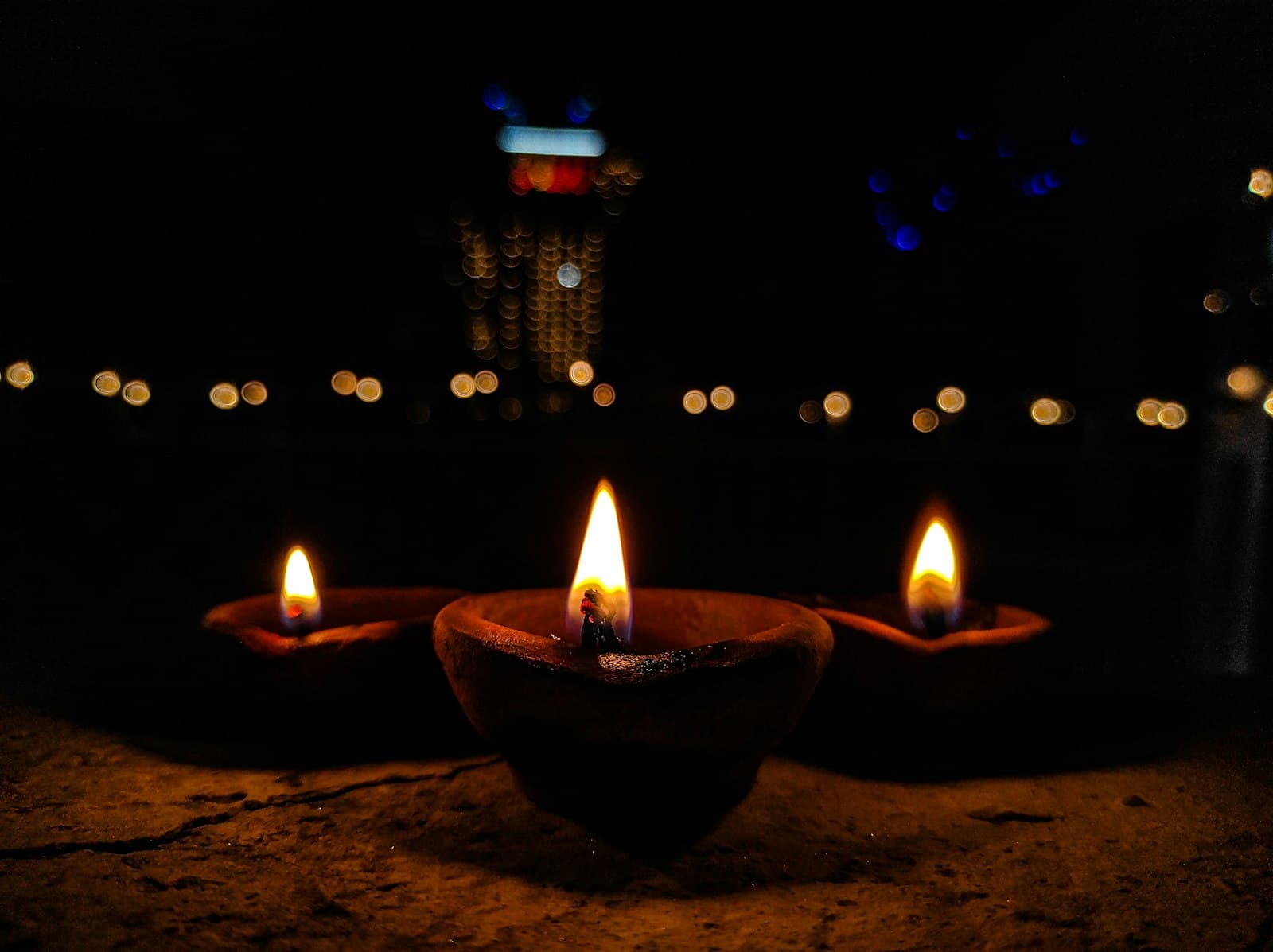
10 Easy Sanskrit Shlokas for Kids, with Meaning
Ten short, much-loved shlokas a child can genuinely learn, each with its meaning, the moment it belongs to, and the age it usually suits.
Parents who want to begin shlokas at home usually get stuck at the same place: not on whether to do it, but on which verse to start with. There are thousands. Some are four syllables long, some run to forty lines. Choose badly and a child stalls in the first week; choose well and they have the verse by heart before you have finished explaining it.
What follows are ten shlokas that work. Each is short, each attaches to a moment that already exists in your child’s day, and each carries a thought worth having. They are roughly ordered from easiest to hardest, so you can simply start at the top and work down over a year.
1. Vakratunda Mahakaya, before anything new
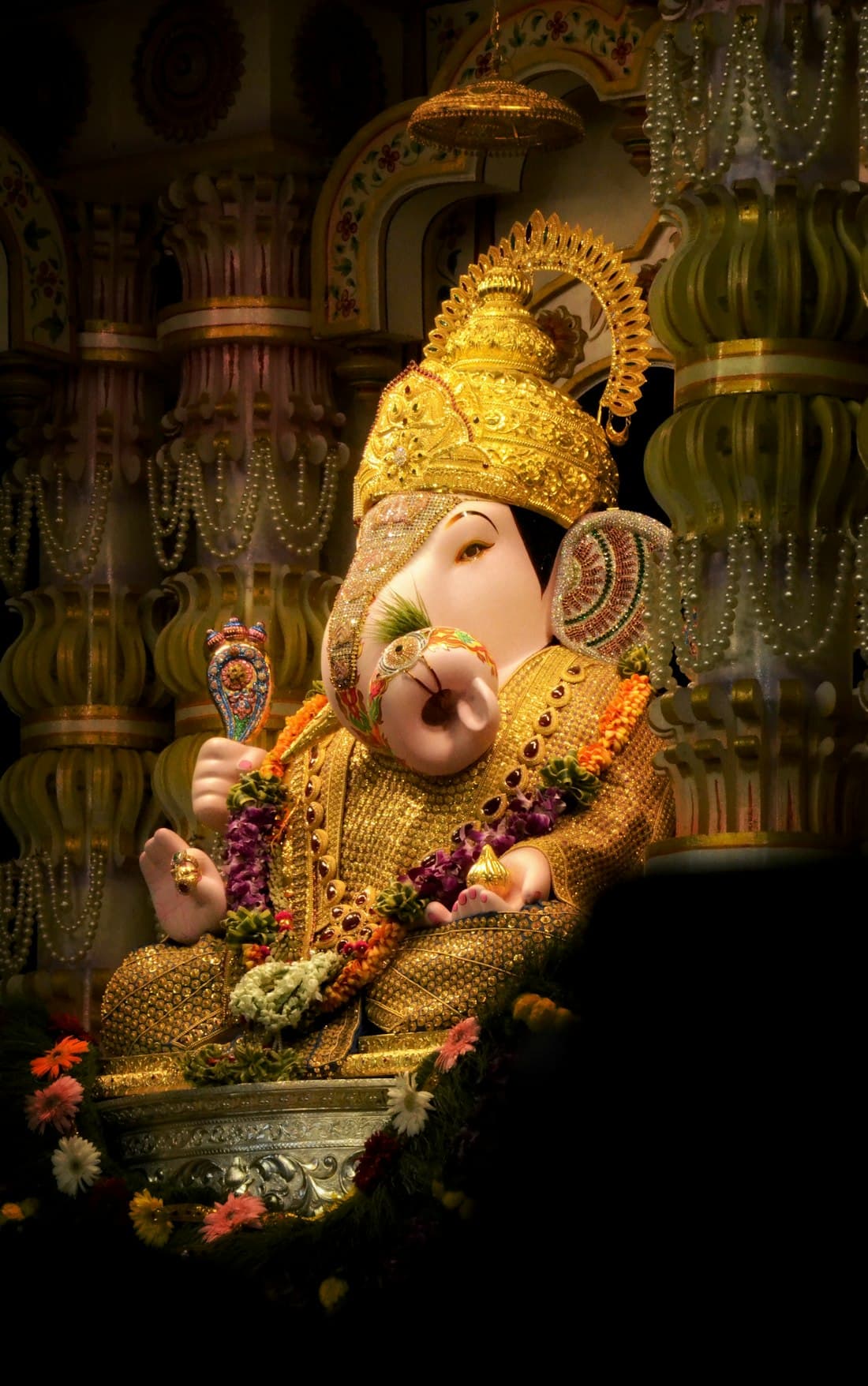
Two lines addressed to Ganesha, asking that whatever is about to begin should go smoothly. The imagery, an elephant-headed god as bright as ten million suns, lands instantly with a small child, and the request is one they understand perfectly. This is the standard first shloka in most Indian homes, and deservedly so. Suitable from about four.
2. Karagre Vasate Lakshmi, on waking
Lakshmi lives at your fingertips, Saraswati in the middle of your palm, Govinda at its base, so look at your hands first thing in the morning. What makes this verse extraordinary for young children is that it comes with a built-in action. Open your palms, look, chant. Children who resist sitting still for a prayer will happily do this, and the underlying idea, that your hands are where your fortune and learning actually live, is a fine thing to grow up believing.
3. Saraswati Namastubhyam, before study
A two-line salutation to the goddess of learning, ending with a wish for success in what is about to be studied. Beyond the devotion, it does something practical: chanting the same ten seconds every single time before homework gives a restless child a clear starting signal. Families who keep it consistent usually report that the daily battle to begin gets noticeably shorter.
4. Shubham Karoti Kalyanam, at the evening lamp
Chanted while lighting the diya at dusk, saluting the lamp as the bringer of wellbeing, health and abundance. A verse with fire in it will always win a child’s attention. Let them light it, or hold it while you do. Worth noting for an older child: the lamp is asked to destroy hostile thinking, not enemies, which is a distinction the verse makes very deliberately.
5. Sarve Bhavantu Sukhinah, to close anything
May all be happy, may all be free from illness, may all see what is good, may no one suffer. Ask your child, once they know it, to notice something: there is no “me” anywhere in this prayer. Not a single word of it asks for anything for the person chanting. Children find that genuinely striking, and it quietly reframes what they think prayer is for.
6. Buddhir Balam Yasho Dhairyam, for nerve
Eight qualities said to come from remembering Hanuman: intelligence, strength, good name, steadiness, fearlessness, health, alertness and skill in speech. Because the meaning is simply a list, this is one of the very few shlokas where a six-year-old can tell you what every word means by the end of a single lesson. Have them count the eight on their fingers as they chant.
7. Gurur Brahma Gurur Vishnu, for the teacher
The teacher as creator, sustainer and transformer, and finally as the supreme reality itself. The satisfying part to explain is why the teacher earns all three names: a teacher creates something in you that was not there, keeps it alive through practice, and clears away what was wrong in your understanding. Children accept that reasoning readily. Standard for Teachers’ Day and Guru Purnima.
8. Asato Ma Sadgamaya, from darkness to light
Three parallel requests: from the unreal to the real, darkness to light, death to what does not end. It is unusually easy to memorise because all three lines share a structure and finish on the same word. It is also from the Brihadaranyaka Upanishad, which means a seven-year-old chanting it is speaking words that have been continuously recited for close to three thousand years.
9. Twameva Mata Cha Pita Twameva, for reassurance
You alone are my mother and father, kinsman and friend, knowledge and wealth, everything to me. Almost every word is one a small child already understands in their own language, which makes it an unusually good verse for teaching Sanskrit and meaning at the same time. The rocking repetition of “tvam eva” does most of the memorisation work by itself.
10. Karmanye Vadhikaraste, before an exam
The Gita’s most quoted verse: you have a right to your effort, never to its fruits. Save this for around eight, and when you teach it, teach the fourth line too, because it prevents the obvious misreading. Krishna does not say results do not matter and he certainly does not say stop trying. He says put everything into the work, do not be driven by the score, and do not use any of this as an excuse to do nothing.
One shloka chanted daily for a month, with its meaning understood, is worth more than ten learned in a week and half-remembered by the next.
How to actually use this list
Do not attempt all ten. Take the first, attach it to a fixed moment of the day, and stay there until it is effortless, which usually takes one to three weeks. Then add the second while continuing to chant the first. Roughly one new verse a month builds a substantial repertoire by a child’s teens, and, more importantly, keeps every verse in active recall rather than leaving a trail of half-learned ones behind.
Teach the meaning in one plain sentence each time, and resist turning any of it into a test. The moment chanting becomes an assessment, the calm it produces is gone, which was the point of it.
You will find all ten of these, with full Devanagari, transliteration, word-by-word meaning and guidance on when to chant them, in our free shloka library. And if you would like your child to learn them with correct pronunciation from a mentor who corrects gently and in the moment, our live online shloka classes are taught exactly that way.
Learn this with a mentor
Bring this to life for your child with our live, mentor-led Shloka Classes.