
Learn to perform the daily puja, properly
Nitya Puja Vidhi taught one step at a time — purification, the sacred resolve, Ganapati and Kalasha puja, the sixteen offerings to your Ishta Devata, and the closing prayers — with every mantra pronounced correctly and its meaning explained.
About Nitya Puja Vidhi
Daily worship, performed correctly and understood.
Nitya Puja Vidhi taught one step at a time — purification, the sacred resolve, Ganapati and Kalasha puja, the sixteen offerings to your Ishta Devata, and the closing prayers — with every mantra pronounced correctly and its meaning explained.
What you will be able to perform
The complete daily puja in its traditional order, from Ācamana to Namaskāra and Prasāda
The mantra for each step, pronounced correctly and understood line by line
Ṣoḍaśopacāra: the sixteen offerings, what each one means and how it is made
Saṅkalpa, Kalasha Puja and Kṣamā Prārthanā — the steps most often skipped or rushed
Stotras for daily chanting, chosen for your family’s deity
Class details
Everything at a glance
- Ages
- Ages 4-15 & adults
- Format
- Online
- Duration
- 45 min · Twice weekly
- Level
- Beginner → Advanced
- Language
- English (+ Sanskrit)
- Batch
- Small & personal
Nitya Puja Vidhi for every age
Each track runs as its own batch, so every class is pitched at the right pace and level.
Young Learners
Children learning the puja by ear
Learning by ear, through story and repetition. The sequence is absorbed as a rhythm long before it is read, which is how most families learnt it at home.
- Sound and repetition
- The story behind each step
- Simple offerings by hand
Middle Years
Children ready for meaning alongside sound
Sound and meaning together, with reading begun. Children learn what each mantra says while their pronunciation is still easy to correct.
- Correct uchcharana
- Meaning of each mantra
- Reading Devanagari
Senior Batch
Older children working with the text itself
Text, grammar and discussion in full. Learners read the vidhi themselves, ask why a step sits where it does, and can lead the puja at home.
- Reading the vidhi
- Grammar and structure
- Leading the household puja
Adults
Adults, in dedicated batches
A separate batch at an adult pace, for anyone who knows the outline but not the mantras, or the mantras but not their meaning.
- Full Ṣoḍaśopacāra
- Saṅkalpa and Kalasha puja
- Stotra and Veda pāṭha
A thoughtfully structured journey
Each module builds on the last, nurturing understanding, confidence and character, step by step.
Opening: Why Daily Worship
Why nitya puja matters, preparing yourself and the puja space, and the basic rules and discipline it asks for.
Ācamana (आचमनम्)
Purification by sipping sacred water with the Vishnu Nāmas, the step every puja begins from.
Prāṇāyāma (प्राणायामः)
Mental and physical purification with the Gayatri Mantra before the resolve is taken.
Saṅkalpa (संकल्पः)
Taking the sacred resolve for the worship: place, time and intention, stated correctly.
Gaṇapati Dhyāna & Puja
Invoking Ganesha for the removal of obstacles, with śuklāmbaradharaṃ viṣṇuṃ and its meaning.
Kalasha Puja
Invoking the sacred rivers and divine energies into the Kalasha, and why the vessel is treated as it is.
Guru & Paramparā Smaraṇa
Remembering the Guru, the Rishis and the lineage the practice was received through.
Main Deity Dhyāna
Meditation on and invocation of your Ishta Devata, the deity the household worships.
Ṣoḍaśopacāra: The Sixteen Offerings
Āvāhana, Āsana, Pādya, Arghya, Ācamana, Snāna, Vastra, Yajñopavīta, Gandha, Puṣpa, Dhūpa, Dīpa, Naivedya, Tāmbūla, Nīrājana and Namaskāra — each one taught with its mantra and its meaning.
Stotra & Veda Pāṭha
Daily chanting chosen for the deity: Ganapati Atharvashirsha, Purusha Suktam, Sri Suktam, Rudram, Vishnu Sahasranama, Lalita Sahasranama and selected Vedic mantras.
Kṣamā Prārthanā
Seeking forgiveness for anything done wrongly, incompletely or without devotion — mantrahīnaṃ kriyāhīnaṃ, and what it actually asks.
Prārthanā & Maṅgalam
The closing prayer for family, society and universal wellbeing: sarve bhavantu sukhinaḥ.
Namaskāra & Prasāda
Concluding the worship with prostration and the distribution of prasāda.
Simple, personal and effective
Live & interactive
Camera-on classes with a real mentor, never pre-recorded.
Small batches
Personal attention so every child is seen, heard and guided.
Weekly rhythm
A steady weekly class with gentle practice in between.
Guided start
Tell us about your child and a mentor helps you choose the right batch.
Enquire about Nitya Puja Vidhi
Tell us about your child and we will suggest the right batch. Choose a time that suits you, anywhere in the world.
Nitya Puja Vidhi, your questions answered
Can’t find your answer? Message us on WhatsApp, we usually reply within the hour.
No. Each mantra is taught sound by sound and corrected live, and the meaning is explained line by line. Most families arrive knowing the outline of the puja but not the mantras, and that is exactly where we begin.
Related classes
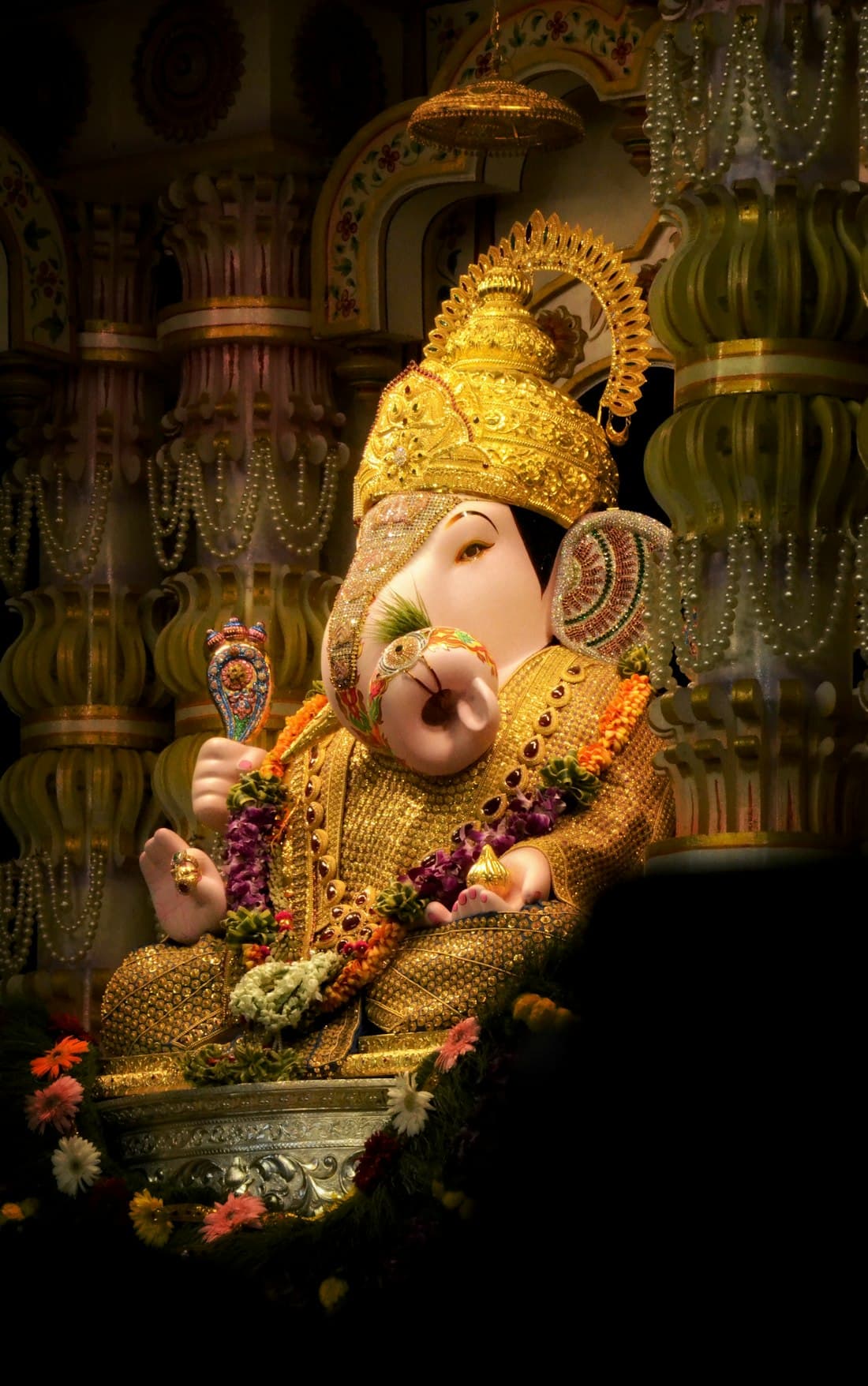
Shloka Classes
Sanskrit chanting & meaning, ancient sound, sharper mind.
Explore class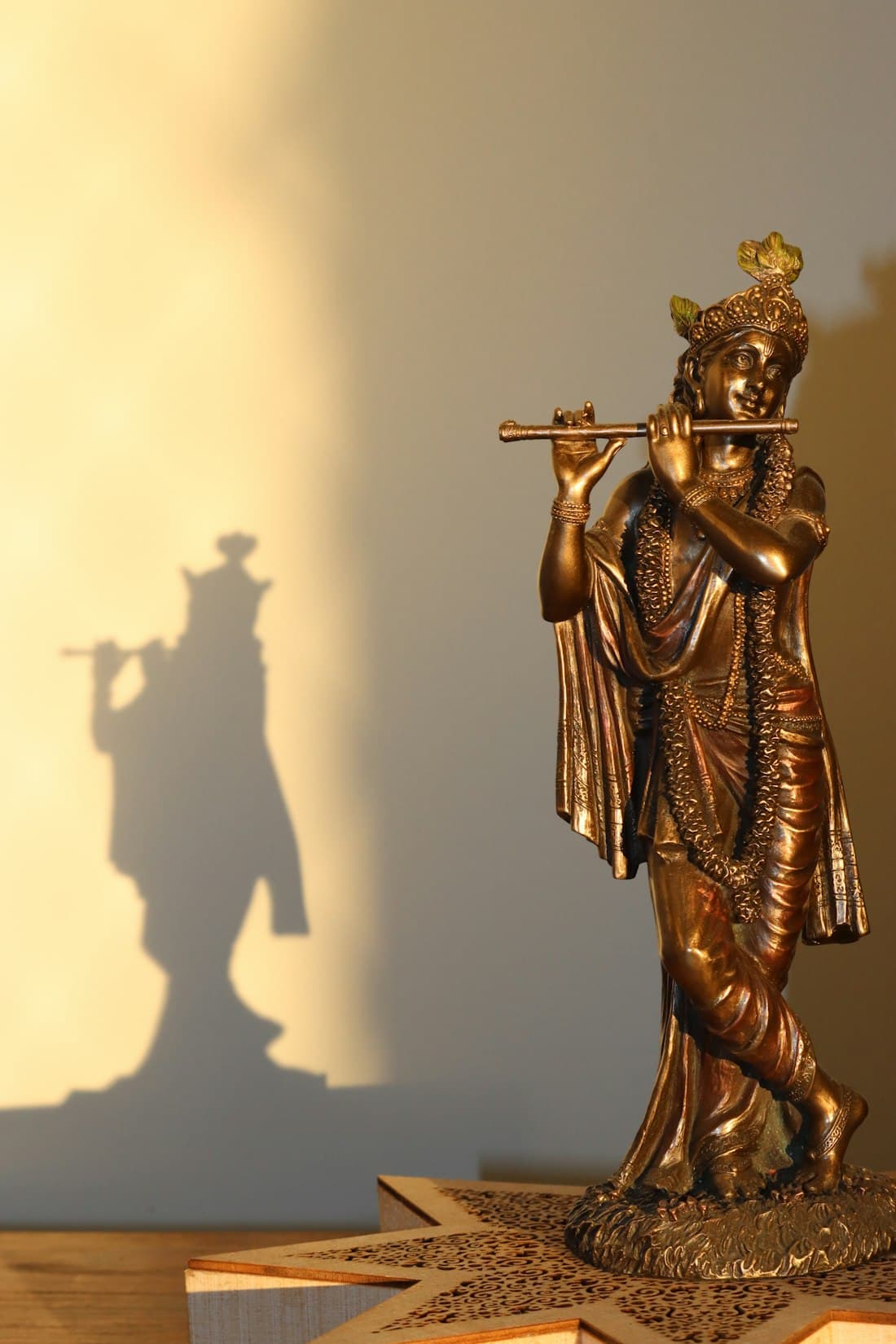
Bhagavad Gita for Kids
Timeless wisdom, taught gently to young minds.
Explore class
Ramayana for Kids
Values through storytelling, courage, devotion and dharma.
Explore classNitya Puja Vidhi near you
Live online, so your city is never a barrier. Pick yours for local timings and pricing.

Begin your child’s journey today
Live classes with a real mentor, online and in HSR Layout, for families across the world. Seats are limited, reserve yours now.