
A Daily Shloka Routine for Children: Morning, Meals, Study and Bedtime
Seven short shlokas, one for each moment of a child’s day, from waking to sleep. A simple routine that turns chanting into a habit instead of a task.
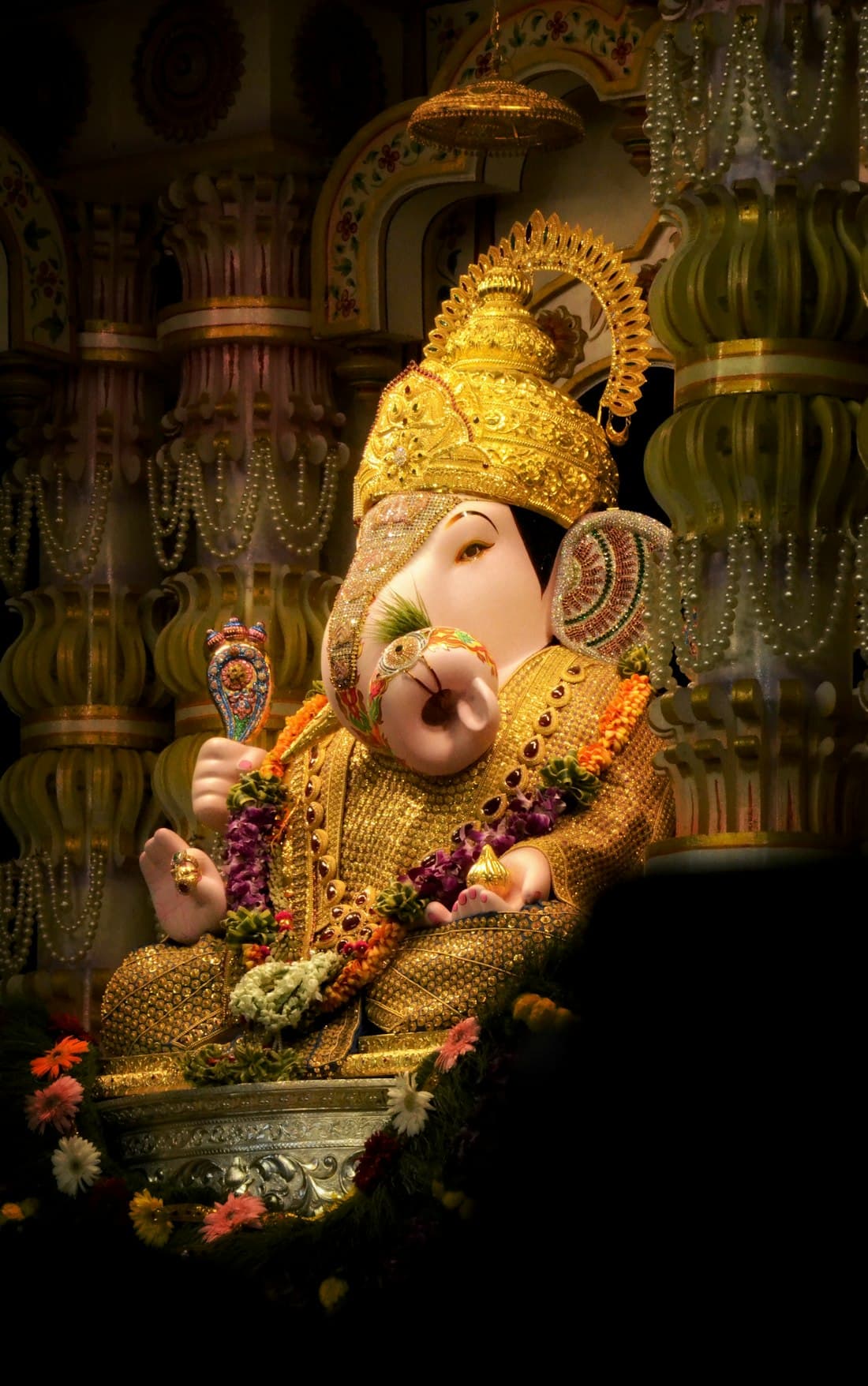
The families whose children keep their shlokas for life rarely have a dedicated chanting time. What they have instead is a set of short verses tied to moments the day already contains: waking, stepping out of bed, eating, studying, lighting the lamp, lying down to sleep. The moment does the remembering. Nobody has to say “time for shlokas”, because the plate on the table or the lamp being lit is the reminder.
This is the oldest way shlokas were taught in Indian homes, and it still works better than anything else. Here is a simple routine of seven verses, each with its moment and its meaning. You do not need all seven at once. Start with one, add the next when it is steady.
On waking: Karagre Vasate Lakshmi
कराग्रे वसते लक्ष्मीः करमध्ये सरस्वती । करमूले तु गोविन्दः प्रभाते करदर्शनम् ॥
Said while looking at the open palms, before anything else in the day. Lakshmi lives at the fingertips, Saraswati in the middle of the palm, and Govinda at its base, so look at your hands in the morning. Some families say karamūle sthitā gaurī in the third line instead; both are traditional. The idea a child takes away is lovely: the day begins by looking at the hands that will do its work, and remembering that they hold prosperity, learning and the divine.
Stepping onto the floor: Samudra Vasane Devi
A short verse asking forgiveness of Mother Earth before touching her with one’s feet. Children find the idea immediately moving: the ground holds us up all day, so we greet it before we walk on it. It pairs naturally with Karagre Vasate, and the two together take less than half a minute.
Before meals: Brahmarpanam
ब्रह्मार्पणं ब्रह्म हविर्ब्रह्माग्नौ ब्रह्मणा हुतम् । ब्रह्मैव तेन गन्तव्यं ब्रह्मकर्मसमाधिना ॥
This is Bhagavad Gita 4.24, said before eating in a great many households. Its meaning is profound, that the offering, the one who offers and the act itself are all the divine, but a child can hold it simply: we pause before we eat, and remember that food is a gift. Some families pair it with Annapurne Sadapurne, a short prayer to the goddess of nourishment.
Before study: Saraswati Namastubhyam
सरस्वति नमस्तुभ्यं वरदे कामरूपिणि । विद्यारम्भं करिष्यामि सिद्धिर्भवतु मे सदा ॥
“Salutations to you, Saraswati, giver of boons. I am beginning my studies; may I always succeed.” Said at the desk before opening a book, this is perhaps the most useful shloka in the routine, because it does something practical: it marks the line between play and study. A child who says it every day finds that the verse itself starts to settle them into focus.
Lighting the evening lamp: Shubham Karoti Kalyanam
Said as the lamp is lit at dusk, this verse salutes the light that brings auspiciousness, health and wealth and removes ill will. If your family lights a diya in the evening, let your child be the one who says this, and if possible the one who helps light it. Children treasure small responsibilities of this kind, and the flame makes the moment memorable.
At bedtime: Karacharana Kritam
A verse asking forgiveness for any wrong done during the day, by hand or foot, word or body, ear or eye, knowingly or unknowingly. For a child this is a gentle end-of-day reflection. It does not ask them to list their mistakes, only to let the day’s small wrongs go before sleep. Many parents find it opens a quiet conversation about how the day went.
Closing the day: Kayena Vacha
The last verse offers everything done that day, through body, speech, mind and senses, to Narayana. It is the traditional closing prayer in many homes, and makes a calm final note: the day is done, and it has been given away.
Making the routine stick
Start with the moment your family already shares most reliably. For many households that is dinner, so Brahmarpanam comes first. Say it yourself, every day, without asking your child to join. Within a week or two most children will start saying it with you on their own. Only then add the next verse.
Every shloka in this routine has its own page in our free shloka library, with the full Devanagari, transliteration, word-by-word meaning and guidance on pronunciation. If you would like your child to learn the routine with a teacher who can correct their pronunciation as they go, our live shloka classes teach these verses in exactly this order, morning to night.
Learn this with a mentor
Bring this to life for your child with our live, mentor-led Shloka Classes.
