Ganesh Shlokas for Kids: Simple Ganesha Mantras with Meaning
Easy, joyful Ganesha shlokas for children, each short verse given with its simple meaning, plus why Ganesha is the first god children learn to greet.
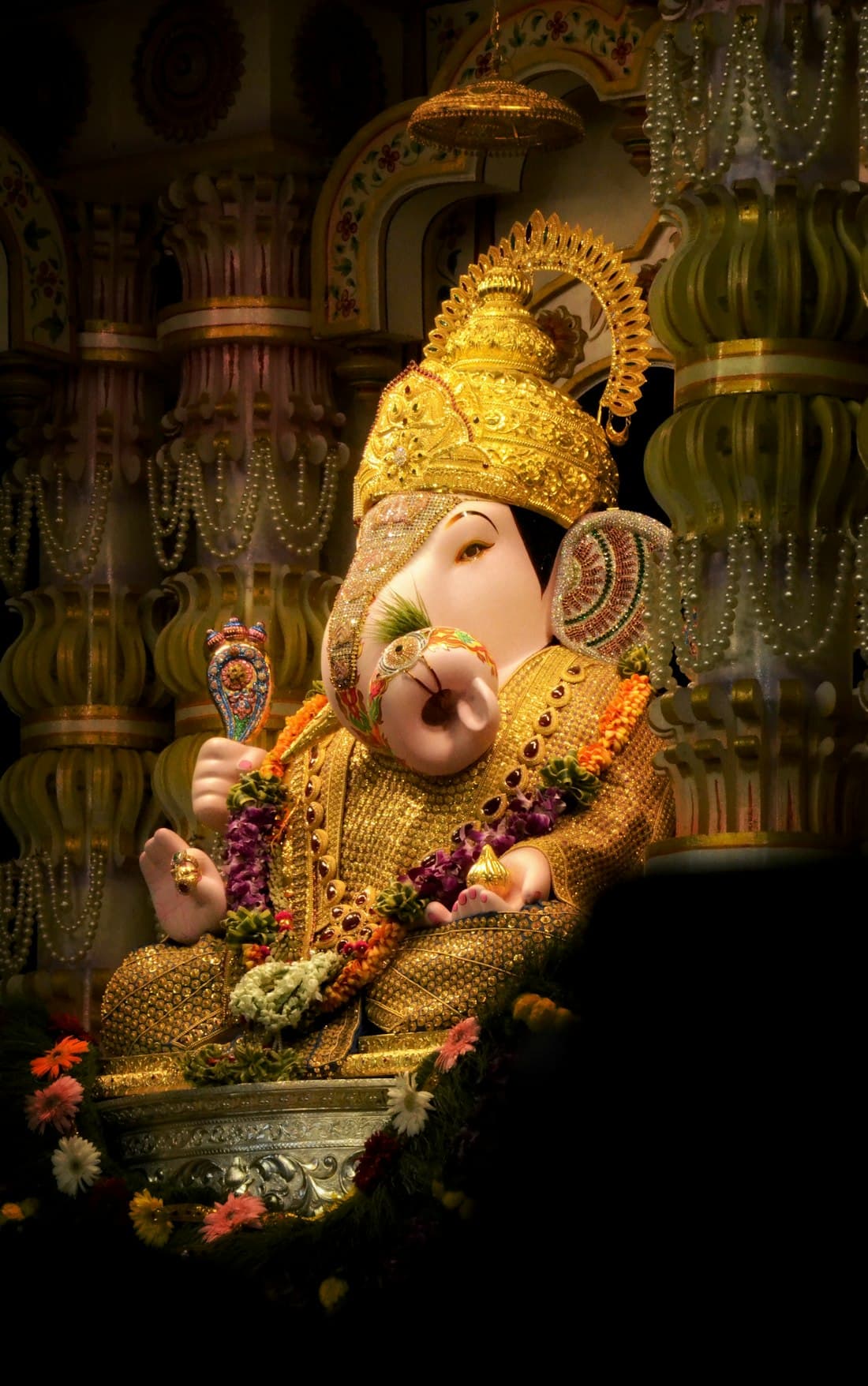
For countless generations, the very first shlokas an Indian child learns have been to Ganesha, the gentle, elephant-headed remover of obstacles, beloved of children above all the gods. There is a lovely logic to this: we invoke Ganesha before beginning anything, and what is childhood if not one long, wonderful beginning?
This is a collection of simple Ganesha shlokas for children, each chosen for its shortness, its beautiful rhythm and its warmth. Every verse comes with its meaning in plain words, so your child understands what they are saying, along with gentle guidance on how to teach them and why Ganesha holds such a special place in a child’s first prayers.
Why Ganesha comes first
Ganesha is known as Vighnaharta, the remover of obstacles, and Vinayaka, the one we turn to at the start. Before a wedding, a new venture, an exam or a journey, families first remember Ganesha and ask that the path ahead be smooth. Teaching a child a Ganesha shloka is therefore teaching them a beautiful habit: to pause and gather themselves before they begin something, rather than rushing in.
Children also simply love him. He is round and kindly, he rides a tiny mouse, he adores sweets, and his stories are full of cleverness and affection. That warmth makes Ganesha the perfect doorway into the world of shlokas, a friend to greet rather than a distant figure to fear.
The most beloved: Vakratunda Mahakaya
If your child learns only one Ganesha shloka, let it be this: “Vakratunda mahaakaaya, soorya-koti samaprabha; nirvighnam kuru me deva, sarva-kaaryeshu sarvadaa.” It means: O Lord with the curved trunk and mighty form, whose brightness equals a million suns, please make all my endeavours free of obstacles, always. It is the classic verse said before beginning any task, and children delight in the image of a light as bright as a million suns.
This shloka is short, wonderfully rhythmic, and endlessly useful, a child can say it before an exam, a performance, a match or simply the school day. Teaching them to pair it with real beginnings gives the verse a living purpose rather than leaving it an abstract recitation.
A gentle greeting: Shuklaambaradharam
Another treasured verse, often the very first taught, is: “Shuklaambara-dharam Vishnum, shashi-varnam chatur-bhujam; prasanna-vadanam dhyaayet, sarva-vighnopa-shaantaye.” It means: I meditate on the one clad in white, the all-pervading, moon-hued and four-armed, with a serene and smiling face, so that all obstacles may be stilled. Children love the picture it paints, a calm, smiling figure, soft as moonlight, and the idea that simply thinking of that peaceful face can settle troubles.
The phrase “prasanna-vadanam”, the serene and smiling face, is a lovely one to dwell on with a child. It teaches, quietly, that calmness and a gentle smile are themselves a kind of strength, a thought worth planting early.
निर्विघ्नं कुरु मे देव, “Make my efforts free of obstacles.” A child who learns to pause and ask this before beginning learns, too, to begin with a calm and gathered heart.
For a little one: Gajaananam
For the youngest children, a shorter, sweeter verse works beautifully: “Gajaananam bhoota-ganaadi sevitam, kapittha-jamboo-phala-saara bhakshitam; umaa-sutam shoka-vinaasha-kaaranam, namaami vighneshvara paada-pankajam.” It means: I bow to the lotus feet of Ganesha, the elephant-faced, served by all beings, who enjoys wood-apples and rose-apples, son of Uma, and remover of sorrow. The mention of his favourite fruits always brings a smile, and the image of bowing to his feet teaches simple, sweet reverence.
Do not worry if a younger child cannot manage the whole verse at once. Even the first line, “Gajaananam bhoota-ganaadi sevitam”, chanted happily, is a lovely start. The rest can follow, a phrase at a time, whenever they are ready.
Ganesha at festival time
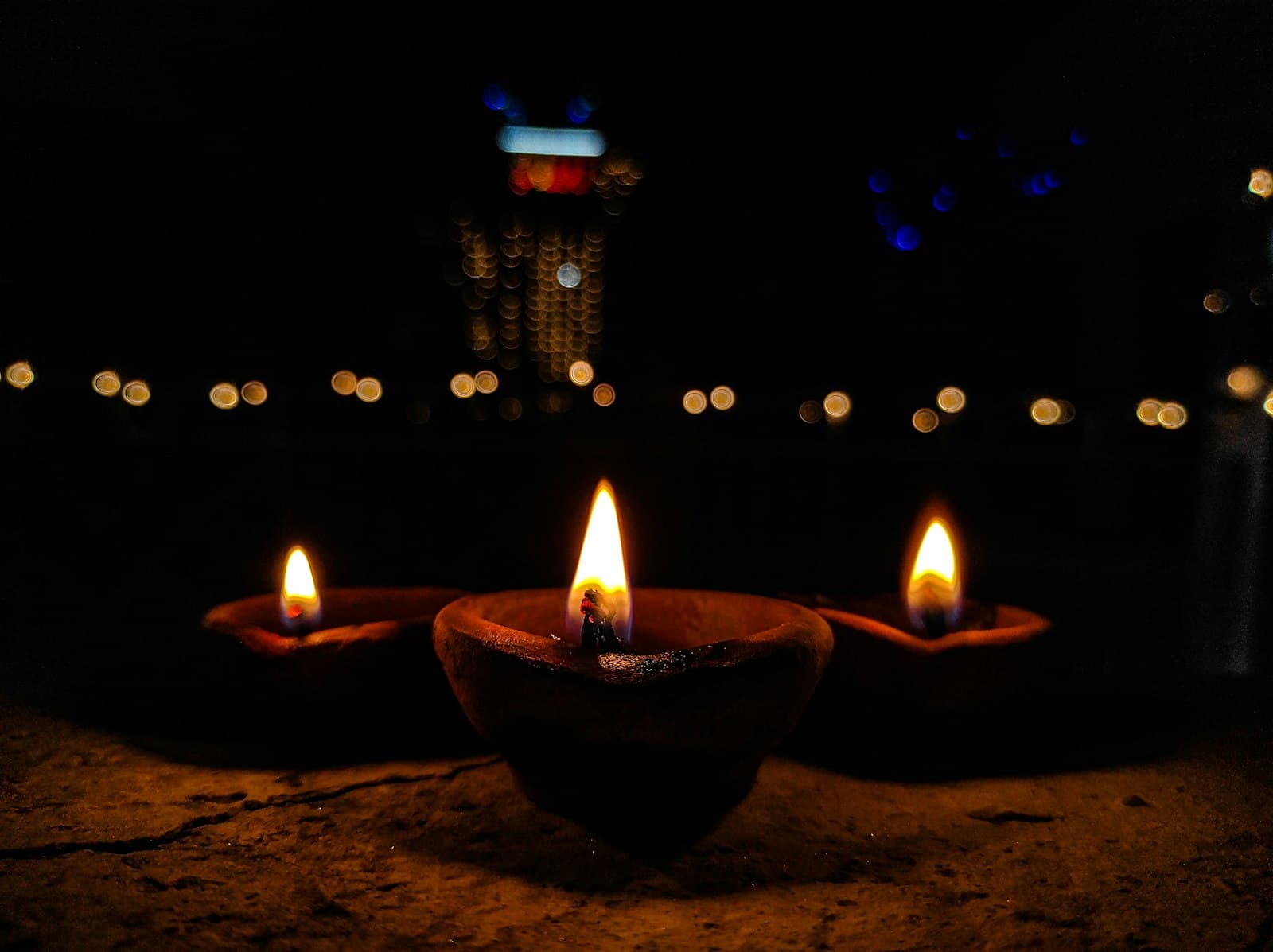
These shlokas come most alive at Ganesh Chaturthi, when homes across India and beyond welcome Ganesha with clay idols, flowers, lamps and mountains of modaks, his favourite sweet. There is no better moment to teach a Ganesha shloka than while your child helps decorate for the festival, because the verse and the joyful occasion fix each other in memory.
Let the festival do some of the teaching. Make modaks together and recite Vakratunda Mahakaya as you offer them. Draw or model a little Ganesha. When a shloka is wrapped in the colour, sweetness and togetherness of a festival, a child does not so much learn it as absorb it, and it stays for life.
Gentle tips for teaching
The same simple habits that help with any shloka apply here. Recite the verse to your child many times before expecting them to say it, so they learn the sound by ear. Take it one line at a time, adding the next only when the last is secure. Explain the meaning in a single friendly sentence, and keep the whole thing playful, a Ganesha shloka should feel like greeting a beloved friend, never like a test.
Above all, give the verse a purpose. A Ganesha shloka is meant to be said at the start of things, so encourage your child to use it, before homework, before a game, before a new attempt at something hard. Practised as a real beginning-ritual, it becomes both a source of calm and a habit that serves them long after childhood.
Our live shloka classes for children often begin, as tradition does, with Ganesha, teaching these verses with correct pronunciation, clear meaning and plenty of warmth. If you would like your child to greet Ganesha with a shloka of their own, we would love to hear from you.
Learn this with a mentor
Bring this to life for your child with our live, mentor-led Shloka Classes.