How to Teach Shlokas to Children at Home
A practical method for parents: how to choose a verse, how to teach it without a battle, what to do when your child resists, and how much is enough.
Most parents who want their children to learn shlokas are not short of motivation. They are short of method. They remember absorbing verses from a grandparent without any apparent effort, try to reproduce that at home, and find themselves within a fortnight in a small daily standoff over four lines of Sanskrit.
The tradition worked because of how it was transmitted, not merely what was transmitted. This is that method, set out plainly, along with the specific mistakes that turn a lovely practice into a chore.
Choose the moment before you choose the verse
The single most useful decision is not which shloka but when. A verse attached to a moment that already reliably happens, waking, sitting down to eat, opening a schoolbook, lighting the evening lamp, requires no willpower to maintain. A verse floating free in the day requires someone to remember and initiate it, and that person will be you, every day, until you stop.
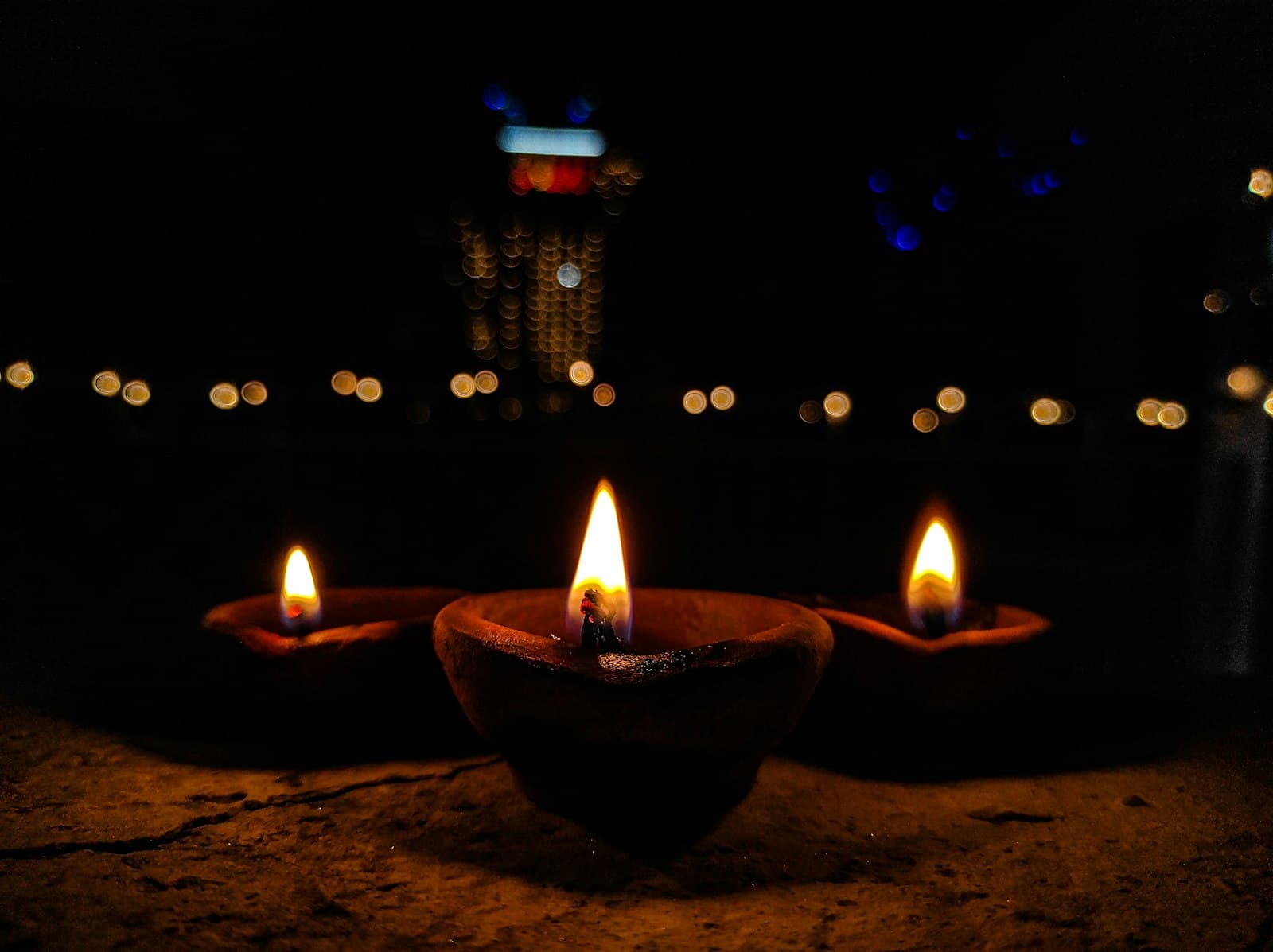
So work backwards. Pick the most dependable ten seconds in your household, then pick a shloka that belongs to it. Karagre Vasate Lakshmi for waking. Annapurne Sadapurne before meals. Saraswati Namastubhyam before homework. Shubham Karoti Kalyanam at the lamp. The moment carries the habit.
Let them hear it long before they say it
This is where most home teaching goes wrong. A parent recites a line and immediately says “now you”. The child, who has heard an unfamiliar language exactly once, produces an approximation, is corrected, and learns within thirty seconds that this activity is one where they are bad at something.
Instead, chant it yourself for several days while asking nothing at all. Children will join in when they are ready, usually with the last word of a line first, then the second half, then the whole thing. This is precisely how they learned to speak, and how they learn songs, and it requires no instruction whatsoever. Your only job is to be audible and unhurried, and to not ask.
A child who is never asked to perform a shloka will offer it far sooner than a child who is asked every day.
Teach the meaning in one sentence, not a lecture
Meaning matters enormously, and it is also the place where enthusiastic parents overreach. A child does not need the etymology, the source text and the philosophical context. They need one clear sentence that tells them what they are saying, offered once and then repeated occasionally.
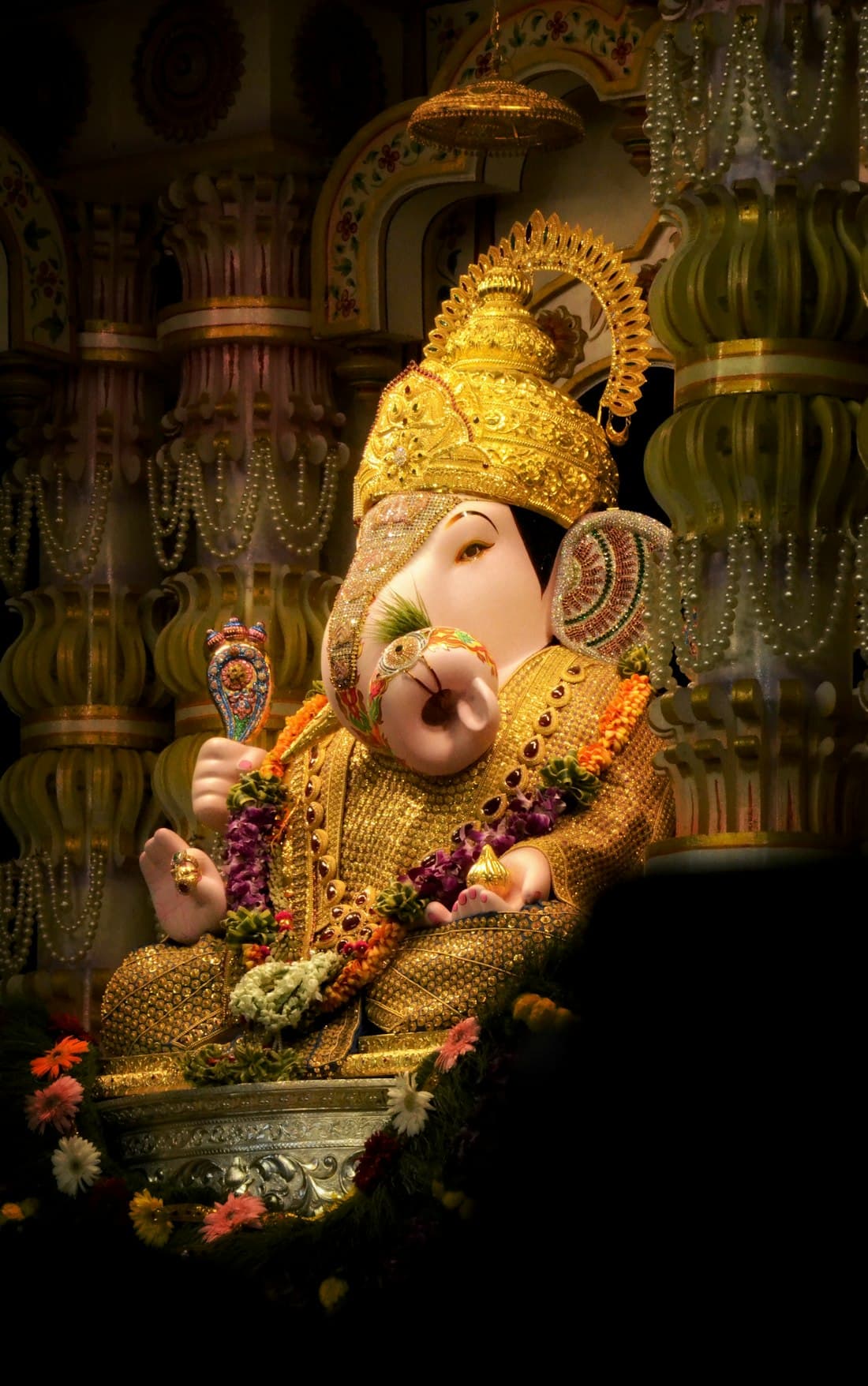
“This one asks Ganesha to help things go smoothly when you start something new.” That is sufficient for a five-year-old, and it is enough for the verse to stop being nonsense syllables. Depth can come later, and it will come much faster if the early years were not spent enduring explanations.
Correct pronunciation sparingly, and never mid-flow
Sanskrit has sounds English does not, retroflex consonants made with the tongue curled back, aspirated pairs where breath distinguishes two different letters, long and short vowels that change meaning. These matter, and they are worth getting right.
They are not, however, worth interrupting for. Let the child finish. If something needs fixing, chant the whole verse yourself afterwards with the correct sound made a little more clearly, and let them absorb it. Children re-tune by imitation far more efficiently than by instruction, and a child stopped mid-verse three times learns mainly that chanting is an activity in which they get stopped.
If you are unsure of a sound yourself, that is a genuine reason to bring in a teacher rather than a reason to worry. A pronunciation error learned early is stubborn, and it is far easier to prevent than to undo.
When your child resists
Resistance is almost always about the frame rather than the content. If chanting has become something a child is tested on, compared over, or asked to perform for visiting relatives, they will refuse it and be right to. Stop asking them to perform, entirely, for a few months. Continue chanting yourself. The refusal usually dissolves once the audience does.
If they are simply bored, the verse is probably too long or too abstract for where they are. Drop back to something two lines long with a concrete image, and rebuild. Nothing is lost by going backwards; a great deal is lost by pushing forwards through resistance.
How much is enough
Two minutes a day, every day, comfortably outperforms twenty minutes on a Sunday. The tradition’s power lies in daily return, which is spaced repetition by another name, the best-evidenced memory technique we have. One verse fully absorbed each month is an excellent pace, and it leaves a child at twelve with a repertoire they can actually recall rather than a list they once learned.
Keep chanting the old ones. A shloka learned and then abandoned is a shloka lost, and the cumulative sequence, three verses, then five, then ten, chanted in order each morning, is where the real memory training happens.
When to bring in a teacher
Home practice and formal teaching do different things. Home supplies the daily repetition that no weekly class can replace. A teacher supplies accurate pronunciation, structured progression, the meaning behind the words explained at the right level, and the simple motivating fact of another child in the same batch also learning verse four.
Our live online shloka classes are built to sit alongside what you do at home rather than replace it: a mentor corrects pronunciation in the moment, teaches meaning with every verse, and gives your child a repertoire that grows week by week. If you would like to see how your child takes to it, we would be glad to hear from you.
Learn this with a mentor
Bring this to life for your child with our live, mentor-led Shloka Classes.