
10 Simple Mantras for Kids, with Meaning
Ten short, easy mantras for children, from Om Namah Shivaya to Om Gam Ganapataye Namah, each with the Devanagari, a simple meaning and when families traditionally chant it.
A shloka is a verse of two or more lines. A mantra is often much shorter: a single line, sometimes just a few words, chanted again and again. That makes mantras an ideal starting point for very young children. A three-year-old who cannot yet manage a full shloka can easily chant Om Namah Shivaya, and enjoy doing it.
Mantras are traditionally chanted many times, often 11, 21 or 108 times, sometimes with a mala, a string of beads, to keep count. For children, even three or eleven times is plenty. Here are ten simple mantras for kids, with their meaning and when families traditionally chant them.
A note before you begin: some of these mantras contain bīja, or seed, syllables, such as gaṃ and aiṃ. In some traditions, bīja mantras are given formally by a teacher. Many families chant them freely at home, but if your family follows a particular tradition or guru, follow that practice.
1. Om Namah Shivaya
ॐ नमः शिवाय — Om namaḥ śivāya
Meaning: salutations to Shiva, the auspicious one. Known as the pañcākṣarī, the five-syllable mantra, because na-maḥ-śi-vā-ya has five syllables after Om. The words namaḥ śivāya appear in the Shri Rudram of the Yajurveda. It is chanted at any time, especially on Mondays and on Maha Shivratri.
2. Om Gam Ganapataye Namah
ॐ गं गणपतये नमः — Om gaṃ gaṇapataye namaḥ
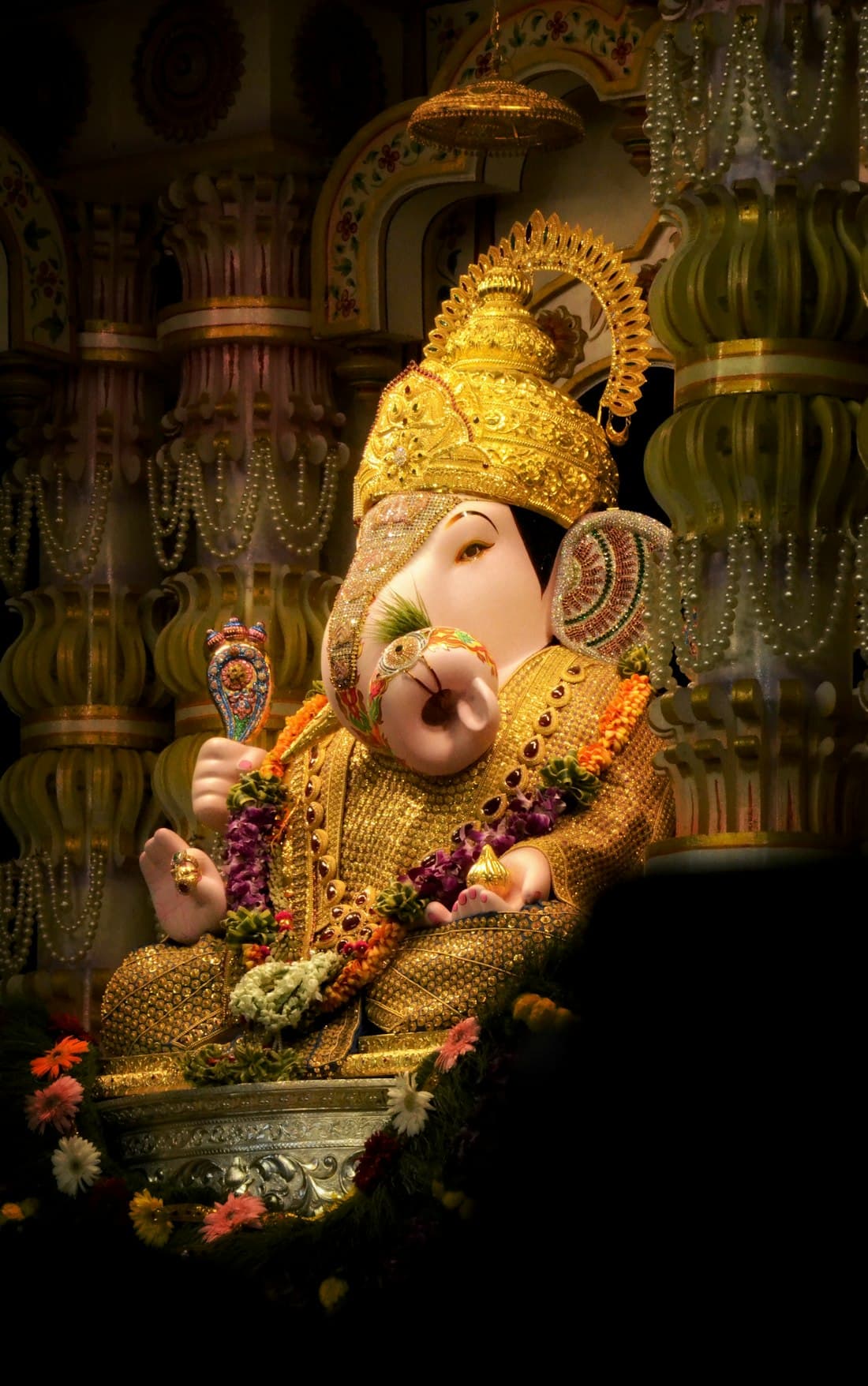
Meaning: salutations to Ganapati, the lord of the ganas. Gaṃ is the seed syllable associated with Ganesha. Since Ganesha is remembered at the start of every undertaking, this is a lovely mantra to chant before starting homework, a new project or a new day.
3. Om Namo Narayanaya
ॐ नमो नारायणाय — Om namo nārāyaṇāya
Meaning: salutations to Narayana, a name of Vishnu, the preserver. Known as the aṣṭākṣarī, the eight-syllable mantra, it is especially important in the Sri Vaishnava tradition of South India. It is a calm, steady mantra, good for bedtime.
4. Om Namo Bhagavate Vasudevaya
ॐ नमो भगवते वासुदेवाय — Om namo bhagavate vāsudevāya
Meaning: salutations to the Lord Vasudeva, a name of Krishna and Vishnu. Known as the twelve-syllable mantra. In the Bhagavata Purana, this is the mantra the sage Narada gave to the five-year-old Dhruva, who chanted it with such determination that Vishnu appeared to him. Telling Dhruva’s story is the perfect way to introduce it.
5. Om Aim Saraswatyai Namah
ॐ ऐं सरस्वत्यै नमः — Om aiṃ sarasvatyai namaḥ
Meaning: salutations to Saraswati, the goddess of learning, music and wisdom. Aiṃ is the seed syllable associated with Saraswati. Many students chant it before studying, especially during exam time, and on Vasant Panchami and Saraswati Puja.
6. Om Shri Mahalakshmyai Namah
ॐ श्री महालक्ष्म्यै नमः — Om śrī mahālakṣmyai namaḥ
Meaning: salutations to the great goddess Lakshmi, the goddess of prosperity, abundance and auspiciousness. Chanted especially on Fridays and during Diwali. It is a good opportunity to talk with children about what prosperity really means: not just money, but health, family, kindness and enough to share.
7. Om Shri Hanumate Namah
ॐ श्री हनुमते नमः — Om śrī hanumate namaḥ
Meaning: salutations to Hanuman. Children love Hanuman for his strength and courage, and many chant this when they feel afraid. It is traditionally chanted on Tuesdays and Saturdays. For a child who is not yet ready for the Hanuman Chalisa, it is the perfect first step.
8. Shri Ram Jai Ram Jai Jai Ram
श्री राम जय राम जय जय राम — Śrī rāma jaya rāma jaya jaya rāma
Meaning: glory to Shri Rama, victory to Rama. Not a Sanskrit sentence so much as a joyful chant, sung in temples and homes across India, often to a simple melody. Because it has a natural rhythm, even very young children pick it up quickly. Perfect for Ram Navami and Diwali.
9. Om Mitraya Namah
ॐ मित्राय नमः — Om mitrāya namaḥ
Meaning: salutations to the friend of all, a name of the sun. This is the first of the twelve names of the sun chanted with Surya Namaskar, the sun salutation. The twelve are Mitra, Ravi, Surya, Bhanu, Khaga, Pushan, Hiranyagarbha, Marichi, Aditya, Savitri, Arka and Bhaskara, each with Om at the beginning and namaḥ at the end. Learning one name for each round of sun salutations is a lovely way to combine chanting and movement.
10. Om Shanti Shanti Shantih
ॐ शान्तिः शान्तिः शान्तिः — Om śāntiḥ śāntiḥ śāntiḥ
Meaning: Om, peace, peace, peace. This closing chant ends many prayers and peace mantras. Peace is said three times; a common traditional explanation is that it asks for peace from three kinds of disturbance: those from within ourselves, those from the world and other beings around us, and those from forces beyond our control, like nature. It is a beautiful way to close any chanting session.
A mantra is small enough for a three-year-old to hold, and deep enough to stay with them for the rest of their life.
How to chant mantras with children
Choose one mantra and chant it at the same time each day. Sit together comfortably, take a few slow breaths, and chant slowly, letting each syllable be clear. Start with three repetitions and build up to eleven as your child grows comfortable.
Pay attention to pronunciation from the start. The long ā in nārāyaṇāya and the ś in śivāya matter. Chanting slowly, with your child copying you, is the easiest way to get it right.
And always tell them the meaning. A child who knows they are saying salutations to Shiva, the auspicious one, is doing something quite different from one who is just making a sound.
For longer verses, our free shloka library has many shlokas for children, each with Devanagari, transliteration, word-by-word meaning and when to chant it. If you would like your child to learn chanting with correct pronunciation from a mentor, enquire about our shloka classes through the Book a Class page.
Learn this with a mentor
Bring this to life for your child with our live, mentor-led Shloka Classes.
