
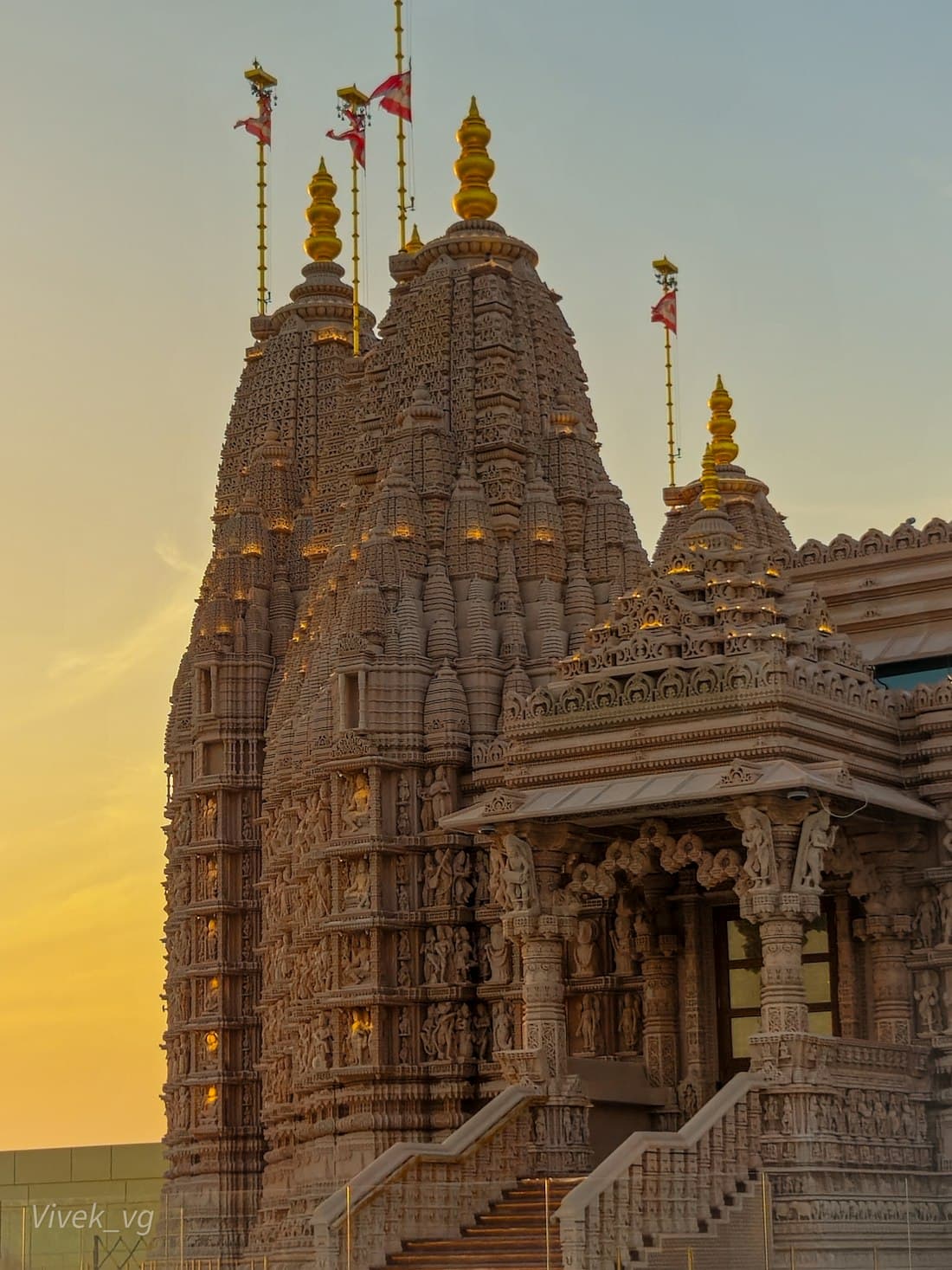
Indian Culture Classes for Kids in Japan
Indian culture, explained rather than just observed
Children take part in festivals every year without ever being told what they are doing. They light lamps at Diwali, tie a rakhi, eat during Sankranti, and nobody explains the reason because everyone assumes they absorbed it. This class is the explanation — festival by festival, custom by custom, with the story and the reasoning behind each.
Enquire about classes in Japan
Add the student’s name and your number, then continue on WhatsApp or call us. We’ll come back with the next available slot for Japan.
We usually reply within the hour
Indian culture, explained rather than just observed
Our epics classes go deep into one text over a year. This one goes wide: the festival calendar, the reason behind everyday customs, regional differences, the food, the art, the why. It is the right starting point for a child, often an NRI child, who is curious about all of it and does not know where to begin.
Most Indian families in Japan live in Tokyo, many around Nishikasai in Edogawa, where IT professionals began settling around the turn of the millennium; Kobe has an older community of Gujarati and Sindhi merchant families. Children here are often in Japanese or international schools, fluent in two or three languages already, and remarkably good at the disciplined repetition shloka learning asks for.
Regional variation covered, not one region as default
Especially valuable for children growing up abroad
Language, food, art and dress alongside the stories
Confidence to explain their own culture to friends
Batch timings for Japan
Live classes on JST, scheduled around your week rather than ours.
Japan is three and a half hours ahead of India and does not observe daylight saving. A 6:00 to 7:30 PM weekday class in Tokyo is 2:30 to 4:00 PM in India, and Saturday morning JST batches are the Indian early morning. Both work without strain on either side.
What your child walks away able to do
Familiarity with the calendar and its logic
Pride that comes from knowledge rather than instruction
The ability to answer a classmate’s question without embarrassment
Inside the indian culture classes for kids curriculum
A few of the modules a year of indian culture classes for kids covers. The full sequence is on the class page.
- 01The Year, in Order
- 02Diwali, Properly
- 03Why We Do That
- 04One Country, Many Answers
Three simple steps to begin
1. Tell us about your child
Call or WhatsApp us and say where your child is starting from. For indian culture classes for kids that matters — the mentor pitches the first class to what they can already do.
2. Personal guidance from a mentor
A real, live class, not a sales call. The mentor works with your child for the full session and then tells you honestly whether this is the right class of ours for them.
3. Pick a slot that survives the school week
We place your child in a batch built for JST. Japan is three and a half hours ahead of India and does not observe daylight saving.
“Living in California, we worried our kids would lose their roots. The online Shloka and Gita classes changed that. They chant every morning now, and understand what the words mean.”
Indian Culture Classes for Kids in Japan, FAQs
A large part of the batch usually is. Children abroad get the celebration without the explanation, and they are the ones most often asked to explain it at school. This class is built to close that gap.
Other classes for Japan