
Shubham Karoti Kalyanam, the Evening Lamp Shloka
शुभं करोति कल्याणम् आरोग्यं धनसम्पदा ।
शत्रुबुद्धिविनाशाय दीपज्योतिर्नमोऽस्तु ते ॥
Śubhaṃ karoti kalyāṇam ārogyaṃ dhana-sampadā
Śatru-buddhi-vināśāya dīpa-jyotir namo’stu te
“You who bring auspiciousness, wellbeing, health and abundance, and who destroy hostile thoughts, to you, O light of the lamp, salutations.”
Traditional dīpa-stuti
Word by word
A shloka a child understands is a shloka they keep. Here is what each word is actually doing.
At dusk, while lighting the evening lamp or diya, and especially through Diwali and Karthika month.
- Marks the turn of the day with a small, beautiful ritual
- Children love it because they get to light or hold the lamp
- A calming close to the afternoon
- Central to Diwali celebrations and school events
A verse with fire in it will always win. Let a child light the diya, or hold it while an adult does, and chant together. Note the third line for older children: the lamp is asked to destroy shatru-buddhi, enemy-thinking, not enemies. That distinction is the whole lesson.
Shloka Classes
Reading a shloka and chanting it correctly are different things. In our live online classes a mentor corrects your child’s pronunciation in the moment, teaches the meaning alongside the sound, and builds a repertoire verse by verse. Ages 4-14 · 45 min · Weekly.
Questions parents ask
It salutes the light of the lamp as that which brings auspiciousness, wellbeing, health and abundance, and destroys hostile thinking.
Learn these next
All 28 shlokas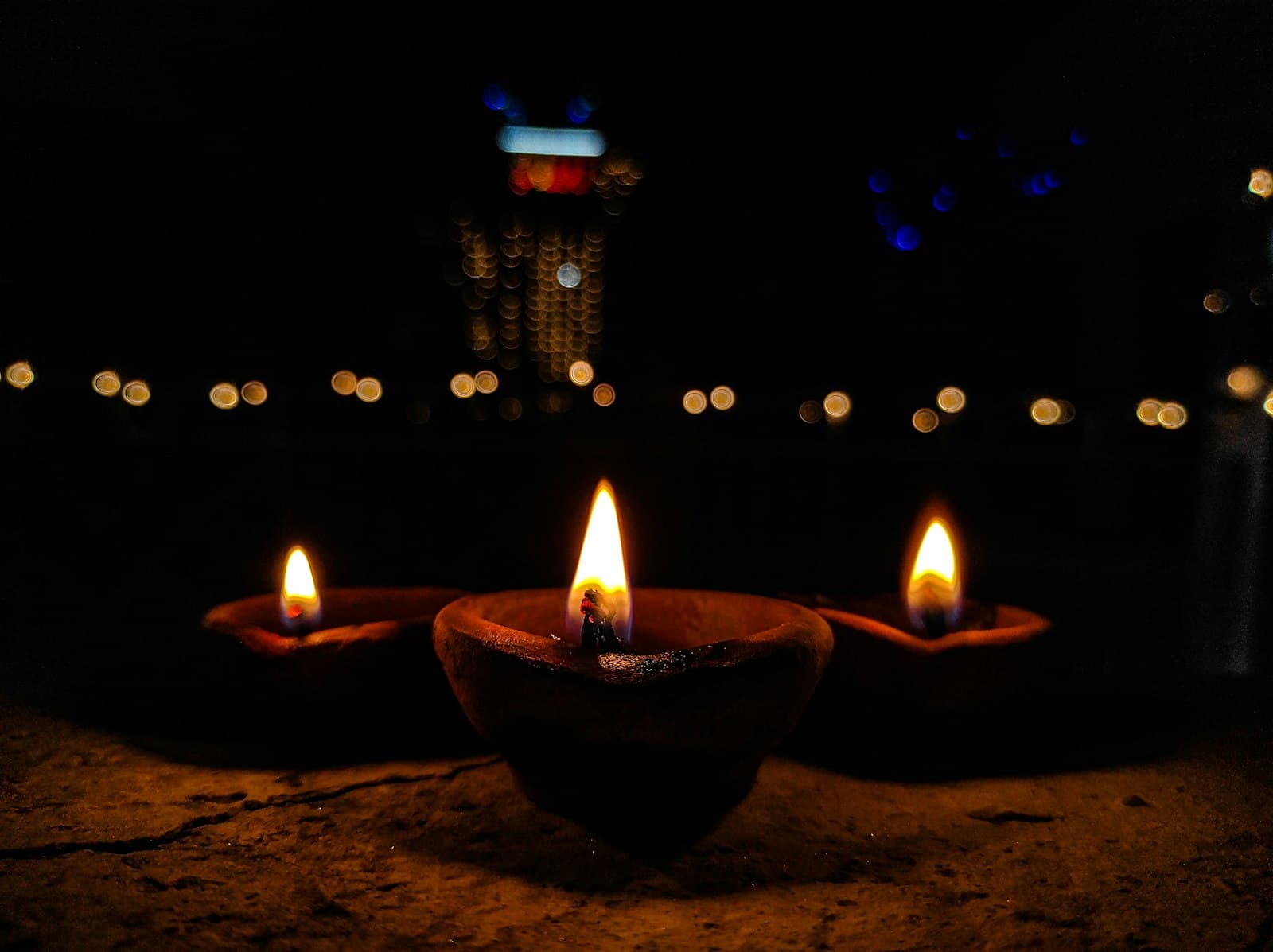
Teach your child Shubham Karoti Kalyanam, properly
Live classes with a real mentor. Correct pronunciation, the meaning behind every word, and a practice that lasts.