
How to Build Unshakeable Confidence in Your Child
Confidence, not talent, is the greatest predictor of a child’s success. Here are practical, gentle ways to build it, starting today.
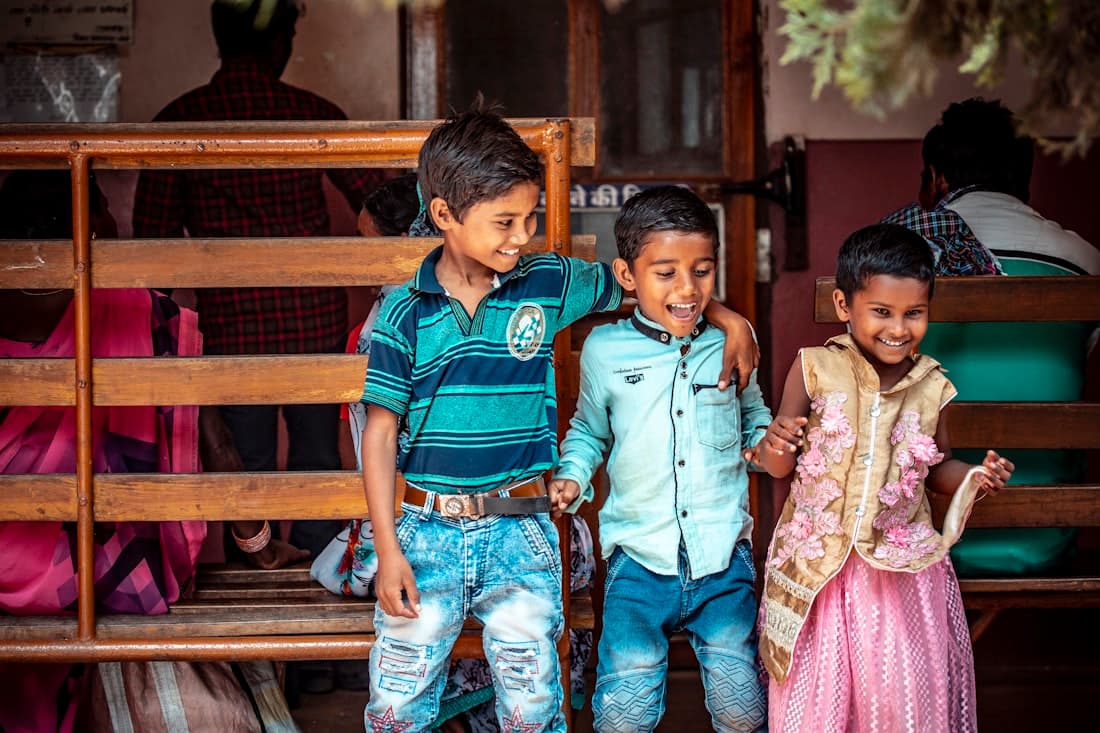
Every parent wants a confident child, one who raises a hand in class, tries the harder thing, recovers from a setback without falling apart. We tend to imagine that confidence is a matter of temperament, something a child either has or does not, and we quietly worry when our own child seems to have less of it than the one sitting beside them.
But confidence is not a fixed trait handed out at birth. It is built, slowly and reliably, out of experience, the accumulated evidence a child gathers that they can attempt things, sometimes fail, and try again without the world ending. Which means confidence can be nurtured, and the home is where most of that nurturing happens.
This is a practical guide to building the kind of confidence that lasts, not the loud, performed sort that cracks under pressure, but the quiet, durable belief that “I can handle this, and if I can’t yet, I can learn.” None of it requires special talent or expensive programmes. It requires understanding how confidence actually forms, and then being consistent.
Understand what confidence really is
It helps to be precise. Real confidence is not the belief that you will succeed at everything; that is fragile, because failure inevitably arrives and shatters it. Real confidence is the belief that you can cope, that effort matters, that mistakes are survivable, and that you are capable of learning what you do not yet know. Psychologists sometimes call the underlying engine of this a growth mindset, the understanding that ability grows with practice rather than being fixed forever.
This distinction changes everything about how we raise confident children. If we only celebrate winning, we accidentally teach that worth depends on outcomes a child cannot fully control. If instead we honour effort, courage and recovery, we build something that no single failure can take away. The most confident children are not the ones who never fail, they are the ones who have learned that failing is simply part of getting better.
Praise the effort, not the label
The words we use land deeper than we realise. Telling a child “you’re so clever” or “you’re a natural” feels kind, but it quietly ties their self-image to a fixed label, and the next time they struggle, they conclude they must not be clever after all, and give up to protect the label. Praise aimed at effort and strategy does the opposite. “You kept going even when that was hard” or “I noticed you tried a different way” points a child towards the things they can actually repeat.
This is not about withholding warmth; it is about aiming it well. Be specific and honest. Empty praise for everything a child does is quickly seen through and stops meaning anything. But genuine recognition of real effort, “that story took courage to read out, and you did it”, gives a child something solid to stand on.
Children believe what we repeatedly notice about them. Notice their effort and their courage, and they will grow into people who value both.
Build confidence through small, real wins
Confidence compounds. It is built not by one grand triumph but by a long series of small successes, each leaving behind a little more evidence that the child is capable. A finished painting, a shloka learned by heart, a story told aloud to the family, a bed made without being asked, each is a small deposit in a bank of self-belief.
The parent’s art here is to pitch challenges at the right level: hard enough to be a real achievement, easy enough to be reachable with honest effort. Too easy and the win means nothing; too hard and the child collects evidence of failure instead. As one challenge is mastered, gently raise the next. This ladder of achievable steps is how a shy child becomes, over months, a child who volunteers to go first.
Let them struggle, and resist rescuing too fast
One of the hardest parts of building confidence is holding back. When we see a child frustrated, with a puzzle, a friendship, a difficult piece of homework, every instinct pushes us to step in and fix it. But a child who is always rescued never gathers the most important evidence of all: that they can get through hard things themselves.
This does not mean abandoning a struggling child. It means offering encouragement and, if needed, a hint, while leaving the actual doing to them. “I can see this is tricky. What could you try next?” keeps them in charge. The relief and pride on a child’s face when they solve something they nearly gave up on is worth far more than the smooth path we were tempted to provide.
Give every child a voice
Perhaps the single most powerful confidence-builder is the experience of being heard. A child who learns to express themselves, to tell a story, share an opinion, stand up and speak, discovers that their thoughts have value and that they can hold the attention of others. This is transformative, and it is especially so for shy children, who often have a great deal to say and simply need a safe way to say it.
Creative and expressive activities are ideal for this precisely because they are joyful rather than judgemental. Telling a story, reciting a verse, painting a scene, taking a small role in a play, each gives a child a low-stakes stage on which to be seen and applauded. Over time, the child who once whispered discovers a voice, and the confidence built on that stage walks with them into every classroom and conversation.
This is the heart of what we do at Smriti Samskara. Through storytelling, shlokas, public speaking and creative expression, we give children, including the quietest ones, a warm, encouraging space to be heard and to succeed in small, real ways, again and again. If you would like to watch your child stand a little taller, we would be delighted to hear from you.
Learn this with a mentor
Bring this to life for your child with our live, mentor-led Confidence Building.