Personality Development for Kids: 10 Practical Ways Parents Can Help
Personality development is not about making a child more outgoing. Ten practical, everyday ways parents can help children grow in confidence, communication, responsibility, kindness and resilience.
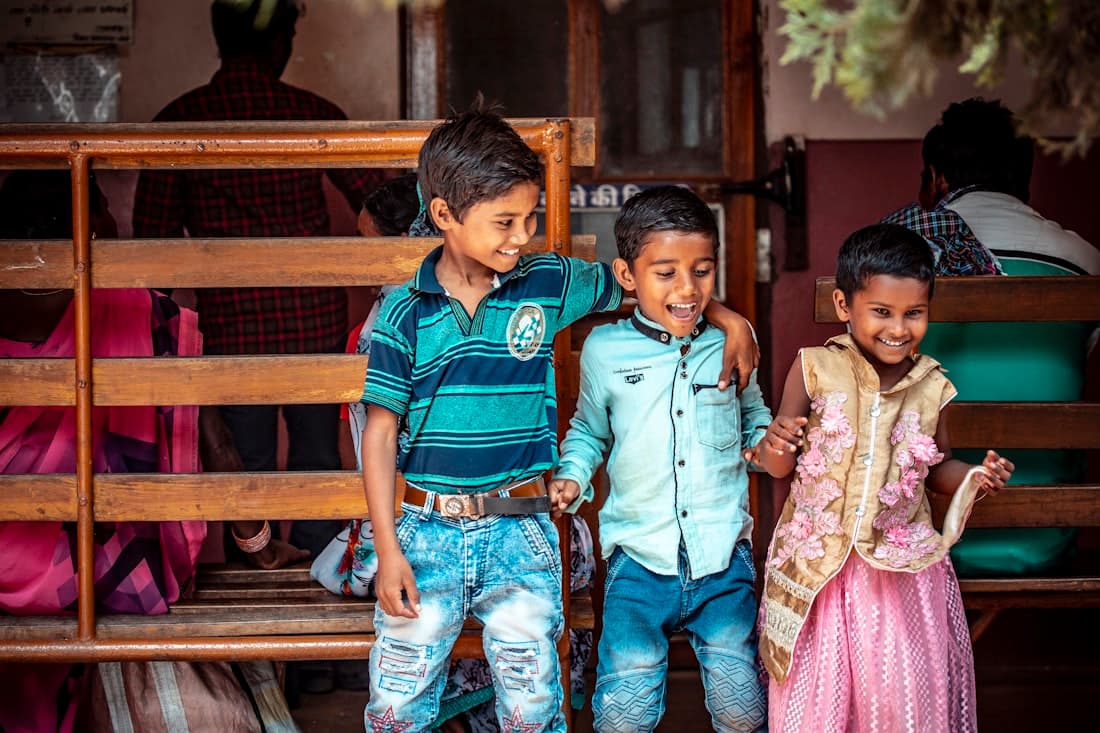
The phrase personality development is often misunderstood. Many parents hear it and think of turning a quiet child into a loud one, or teaching a child to perform. That is not what good personality development means. Every child has their own temperament: some are naturally outgoing, some are thoughtful and quiet, some are bold, some are careful. None of these is wrong.
Real personality development is about helping a child become the best version of who they already are: confident in themselves, able to communicate, kind to others, responsible, curious and able to handle setbacks. Here are ten practical ways parents can help, every day.
1. Let them make choices
Children build confidence and judgement by making decisions. Give your child real choices that suit their age: which clothes to wear, which book to read, how to spend part of Saturday. Older children can plan a family outing or choose a weekly dinner. When they make a choice that does not work out, let them experience the result, within safe limits, and talk about what they learned.
2. Give them responsibilities
Small responsibilities at home, such as watering plants, setting the table, feeding a pet or packing their own school bag, teach children that they are capable and that others depend on them. Choose tasks that match their age, and keep them consistent. A child who knows they are trusted begins to trust themselves.
3. Encourage them to speak
Many children are shy about speaking to adults or in groups. Give them gentle practice: let them order their own food at a restaurant, answer the phone, ask a shopkeeper a question, or greet guests at the door. Do not speak for them when they hesitate; give them a moment. Each small success builds confidence for the next.
4. Listen properly
Children who are listened to learn that their thoughts matter. Put down your phone, look at your child, and listen fully when they talk to you, even about small things. Ask follow-up questions. A child who feels heard grows into a person who speaks with confidence and listens to others in turn.
5. Praise effort, not just results
Instead of saying you are so clever, try you worked really hard on that, or I noticed you kept going even when it was difficult. Praising effort encourages children to keep trying and to take on challenges, rather than avoiding things they might not be good at immediately. It also helps them handle mistakes.
6. Let them fail safely
It is natural to want to protect children from disappointment. But children who never experience small failures struggle more when bigger ones come. When your child loses a game, does badly in a test or is not chosen for a team, do not rush to fix it. Acknowledge the feeling, then help them think about what they could do differently. Resilience is built one small setback at a time.
7. Teach good manners and kindness
Saying please, thank you and sorry, greeting elders, sharing, waiting your turn and helping others are the foundations of a pleasant personality. Model them yourself, every day. Notice and appreciate kind acts. In Indian tradition, respect for elders and teachers and hospitality to guests are values that children learn best by watching their parents.
8. Encourage hobbies and new experiences
Music, art, sport, dance, storytelling, chanting, gardening: hobbies help children discover what they enjoy and what they are good at, and give them a sense of identity beyond school marks. Encourage them to try new things, but also to stick with something long enough to get good at it. Mastery, built slowly, is one of the deepest sources of confidence.
9. Read and tell stories together
Stories help children understand other people, imagine different situations and think about right and wrong. The Ramayana, the Mahabharata, the Panchatantra, the Jataka tales and great children’s books from around the world are full of characters who are brave, kind, clever, honest and, sometimes, mistaken. Discuss the characters with your child: what would you have done?
10. Limit screens, increase real interaction
Time spent with screens is time not spent talking, playing, building, reading or being with other people. Set sensible limits, keep screens out of mealtimes and bedrooms where you can, and make sure your child has plenty of time for real conversation and play with family and friends.
You cannot give a child a personality. You can only give them the space, practice and love to grow into their own.
Respect your child’s temperament
A quiet child does not need to become loud. A thoughtful child does not need to become quick. The aim is not to change who they are, but to give them the skills and confidence to express it. A quiet child who can speak clearly when needed, make friends, and stand up for themselves has a strong personality, just a calm one.
When to seek help
Most shyness, moodiness and setbacks are a normal part of growing up. But if your child seems persistently unhappy, anxious, withdrawn or has trouble with everyday life over a long period, speak to their teacher, their paediatrician or a qualified counsellor.
Building confidence step by step
Our live confidence-building, public speaking and storytelling classes give children regular, gentle practice in speaking, expressing themselves and working with others, in small, supportive groups. If you would like your child to learn with a mentor, enquire about our classes through the Book a Class page; fees are listed on our Pricing page.
Learn this with a mentor
Bring this to life for your child with our live, mentor-led Confidence Building.