
Gita Jayanti and Shloka Competitions: How to Prepare Your Child
Preparing for a Bhagavad Gita or shloka recitation competition? A step-by-step plan covering chapter choice, pronunciation, memorisation, stage nerves and what judges usually listen for.
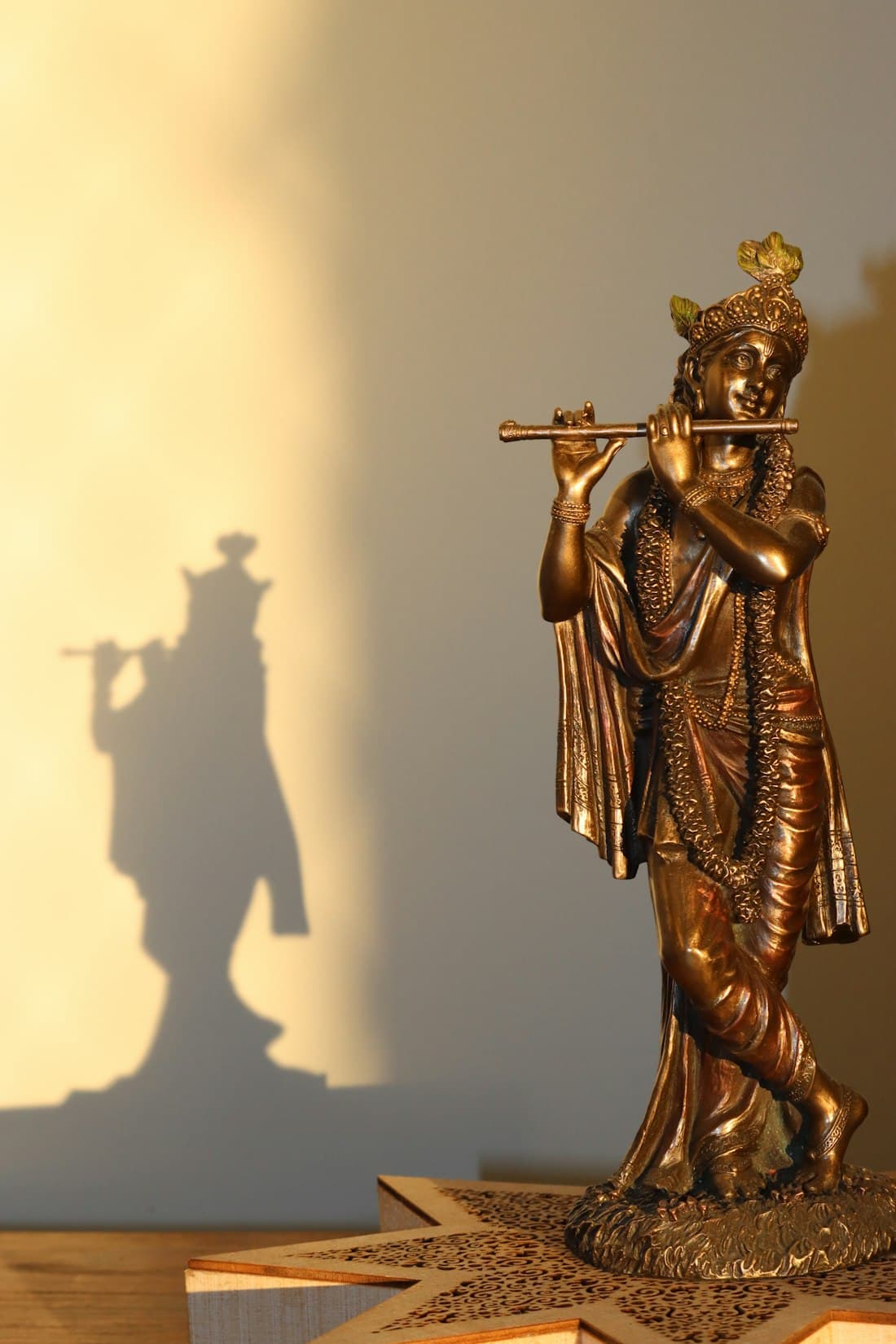
Every year, as Gita Jayanti approaches, schools, temples and cultural organisations in India and abroad hold recitation competitions for children. Gita Jayanti marks the day the Bhagavad Gita is traditionally said to have been spoken by Krishna to Arjuna, and it falls on Mokshada Ekadashi, the eleventh day of the bright fortnight of Margashirsha, which usually lands in late November or December. Shloka competitions for festivals such as Ganesha Chaturthi, Navratri and school annual days follow much the same format.
For a child, a competition can be the best possible reason to learn a chapter properly, or a source of real stress. The difference is almost always in the preparation. Here is how to prepare a child well, starting about six weeks out.
Step 1: Read the rules before choosing anything
Competitions vary widely. Some set a single chapter for every age group; others let children choose; others ask for a fixed number of verses. Some allow a printed copy for the youngest, most do not. Some judge recitation alone, others ask a question about meaning. Find out exactly what is asked before you start, because preparing the wrong chapter for three weeks is the single most avoidable mistake.
Step 2: Choose a chapter that fits the child
If there is a choice, chapters 12 and 15 are the most common for children, and for good reason. Each is twenty verses long, the language is relatively straightforward, and each has a clear theme a child can understand: chapter 12 on bhakti, the qualities of a devotee; chapter 15 on the imperishable tree and the supreme person. For younger children, a selection of well-known single verses, such as 2.47, 4.7–8 and 18.66, is often allowed instead.
Do not choose a longer chapter to impress the judges. A shorter chapter recited beautifully will always score better than a longer one recited nervously.
Step 3: Pronunciation first, memory second
It is tempting to begin by memorising. Resist it. A child who memorises a verse with wrong pronunciation then has to unlearn it, which is much harder than learning it correctly the first time. Spend the first week listening to a clean, slow recitation and chanting along from the text, paying attention to a few specific things.
Long and short vowels: a and ā are different sounds, and the metre depends on them. The visarga, written as ḥ, is a soft breath at the end of a word, not silence and not a hard h. The anusvāra, written ṃ, is a nasal sound that changes with the letter that follows. Aspirated consonants, kh, gh, th, dh, ph and bh, need their breath. Conjunct consonants, especially kṣa and jña, need practice on their own before they will come out cleanly inside a verse.
Step 4: Memorise in half-verses with daily revision
Most Gita verses are two lines of sixteen syllables each, divided into four quarters. Learn a half-verse at a time. Each day, recite everything already learned and then add the next half-verse. For a twenty-verse chapter, two new verses a day gives full memorisation in ten days, leaving plenty of time for polishing.
The most common memory failure in competitions is not forgetting a verse but losing the order of verses. Teach your child the first word or two of each verse as a list, separately, so they always know what comes next.
Step 5: Learn the meaning
Even if the competition judges recitation only, a child who knows what each verse means recites it differently: with the right pauses, the right emphasis and much more confidence. If the competition asks a question about meaning, it becomes essential. A one-line meaning of each verse in your child’s own words is enough.
Step 6: Practise the performance, not just the chapter
In the last two weeks, have your child recite the whole chapter standing up, from beginning to end, without stopping, at least once a day. Do it in front of family members, then on a video call with grandparents, then for a neighbour or friend. Each new audience makes the real stage less frightening.
Practise the beginning especially: how to walk up, the greeting or invocation if one is expected, and the first verse. Nerves are worst in the first ten seconds, and a child who has rehearsed those ten seconds many times will find the rest flows.
What judges usually listen for
Criteria differ from competition to competition, but most judges are listening for the same core qualities: accurate pronunciation, fluency without hesitation, a steady and appropriate pace, clear voice and correct metre. Many also note presentation and confidence. Speed is almost never rewarded; a child who races through the chapter usually loses marks on pronunciation and metre.
On the day
Keep the morning calm. One full recitation at home is plenty; more will tire the voice. Remind your child that the judges want them to do well. And whatever the result, praise the preparation, the weeks of daily practice and the chapter they now carry in memory, which is the real prize and will outlast any certificate.
If your child is preparing for a Gita Jayanti or shloka competition and would benefit from a teacher listening to every verse and correcting pronunciation as they go, our live Bhagavad Gita classes run focused competition preparation in small batches each season.
Learn this with a mentor
Bring this to life for your child with our live, mentor-led Bhagavad Gita for Kids.
