
Good Habits for Kids: 25 Daily Habits and How to Build Them
Twenty-five good habits for children, grouped into morning, health, learning, home, values and evening routines, plus a simple, practical method for actually making habits stick.
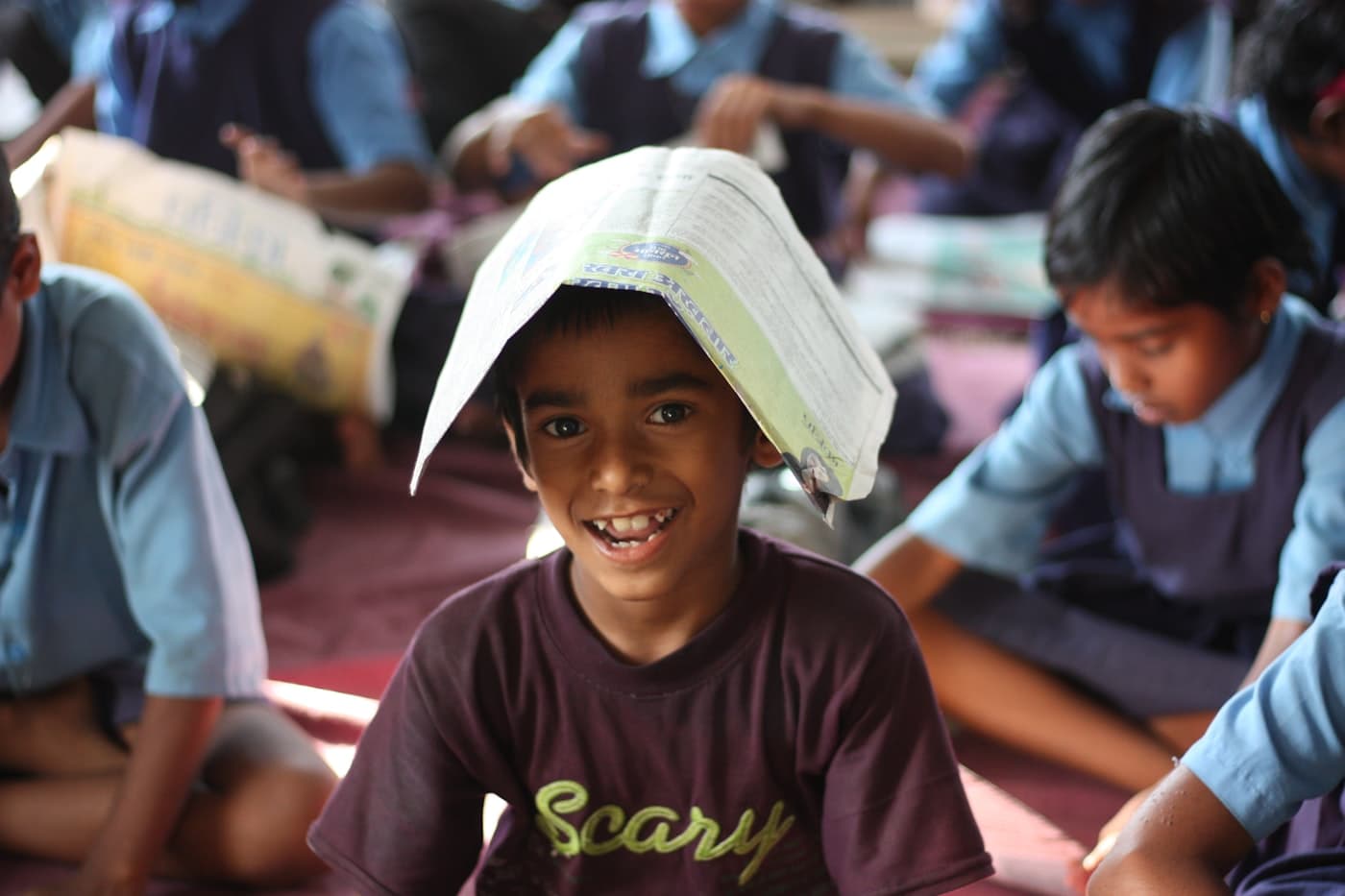
Good habits are among the most valuable things a parent can give a child. A habit, once built, runs on its own: the child brushes their teeth, packs their bag or says thank you without having to be reminded, and without any struggle. Habits learned in childhood often last for life.
Here are twenty-five good habits for kids, grouped into six parts of the day and life, followed by a simple method for building them.
Morning habits
1. Wake up at the same time every day, including most weekends. A regular wake-up time makes mornings calmer. 2. Make the bed. A small task done first thing gives a child a sense of having started the day well. 3. Brush teeth, wash the face and get ready without reminders. 4. Begin the day with a moment of gratitude or a morning shloka, such as Karagre Vasate Lakshmi, said while looking at the palms. Many Indian families have done this for generations. 5. Eat breakfast before school.
Health habits
6. Wash hands before eating and after using the toilet. 7. Drink water through the day. 8. Eat fruit and vegetables every day, and try new foods. 9. Play outside or move actively every day. 10. Sit and stand with good posture, especially while studying or using a screen.
Learning habits
11. Read for at least fifteen to twenty minutes every day, for pleasure, not just for school. 12. Do homework at a fixed time, in a fixed place, without the TV on. 13. Pack the school bag the night before. 14. Ask questions when something is not understood. 15. Practise one skill a little every day: a musical instrument, a shloka, drawing or a sport.
Home habits
16. Put things back where they belong: toys, books, shoes. 17. Help with one household chore every day, such as setting the table, feeding a pet or watering plants. 18. Keep their own room or space tidy. 19. Take care of their belongings.
Values and social habits
20. Say please, thank you and sorry, and mean them. 21. Greet elders respectfully. In many Indian families, children touch the feet of elders or fold their hands in namaste. 22. Tell the truth, even when it is hard. 23. Share, take turns and help others.
Evening habits
24. Switch off screens at least an hour before bed. 25. End the day calmly: a bedtime story, a short prayer or shloka, or a few minutes of talking about the day.
How to build a habit that sticks
Knowing which habits are good is the easy part. Building them is harder. Here is a simple method that works for most children.
Start with one habit at a time. Choosing ten new habits at once overwhelms everyone. Pick one, build it for two to four weeks until it feels automatic, then add the next.
Attach it to something that already happens. This is the most powerful trick. A new habit is far easier to remember if it is linked to an existing one: after brushing teeth, make the bed; before dinner, say a shloka; after school, unpack the lunchbox. Traditional Indian families did this naturally, attaching shlokas to waking, eating, studying and sleeping.
Make it small and easy. Five minutes of reading is better than an hour that never happens. Once the habit is established, it can grow.
Be consistent. Habits are built by repetition. Doing something every day, even briefly, is far more effective than doing it occasionally for longer.
Use a chart for younger children. A simple chart with a tick or sticker each day helps children see their progress. Focus on the streak, not on rewards.
Model it yourself. Children copy what parents do far more than what parents say. If you read, put things away and say thank you, your child is much more likely to.
Praise the habit, not just the result. Notice when your child does the habit without being asked: I saw you packed your bag all by yourself.
Be patient with slip-ups. Every child misses days. Do not scold; simply start again the next day.
A habit is a small thing done every day. Over a childhood, small things done every day become a person.
Habits that are hard to build
Some habits meet more resistance than others, usually screen limits, homework routines and bedtime. For these, involve your child in setting the rule rather than imposing it. Ask them when homework should happen, or how much screen time feels fair on a school day, and write down what you agree together. Children are far more likely to keep a rule they helped make, and you can review it together after a few weeks.
Habits by age
For three to five: focus on basic self-care, such as washing hands, brushing teeth and putting toys away, and simple manners. For six to nine: add packing the school bag, regular reading, a daily chore and a homework routine. For ten and above: add managing their own time, a daily practice of a skill, and taking more responsibility at home.
The wisdom of daily routine
Indian tradition has always placed great value on dinacharyā, a well-ordered daily routine: rising early, cleanliness, prayer, study, work, family time and rest, each in its place. Many families find that a simple daily rhythm, with a shloka at key moments of the day, gives children a calm, secure structure.
Our live shloka classes teach the short verses traditionally said on waking, before meals, before study and at bedtime, which many parents find a lovely way to anchor daily habits. If you would like your child to learn with a mentor, enquire about our classes through the Book a Class page.
Learn this with a mentor
Bring this to life for your child with our live, mentor-led Confidence Building and Storytelling.
