
Indian Culture and Sanskrit for Kids in Australia: A Guide for Parents
For Indian Australian families: community schools and temples around you, how the Australian school year and the southern-hemisphere seasons change the festival calendar, and why Australia’s time zones suit live classes from India so well.
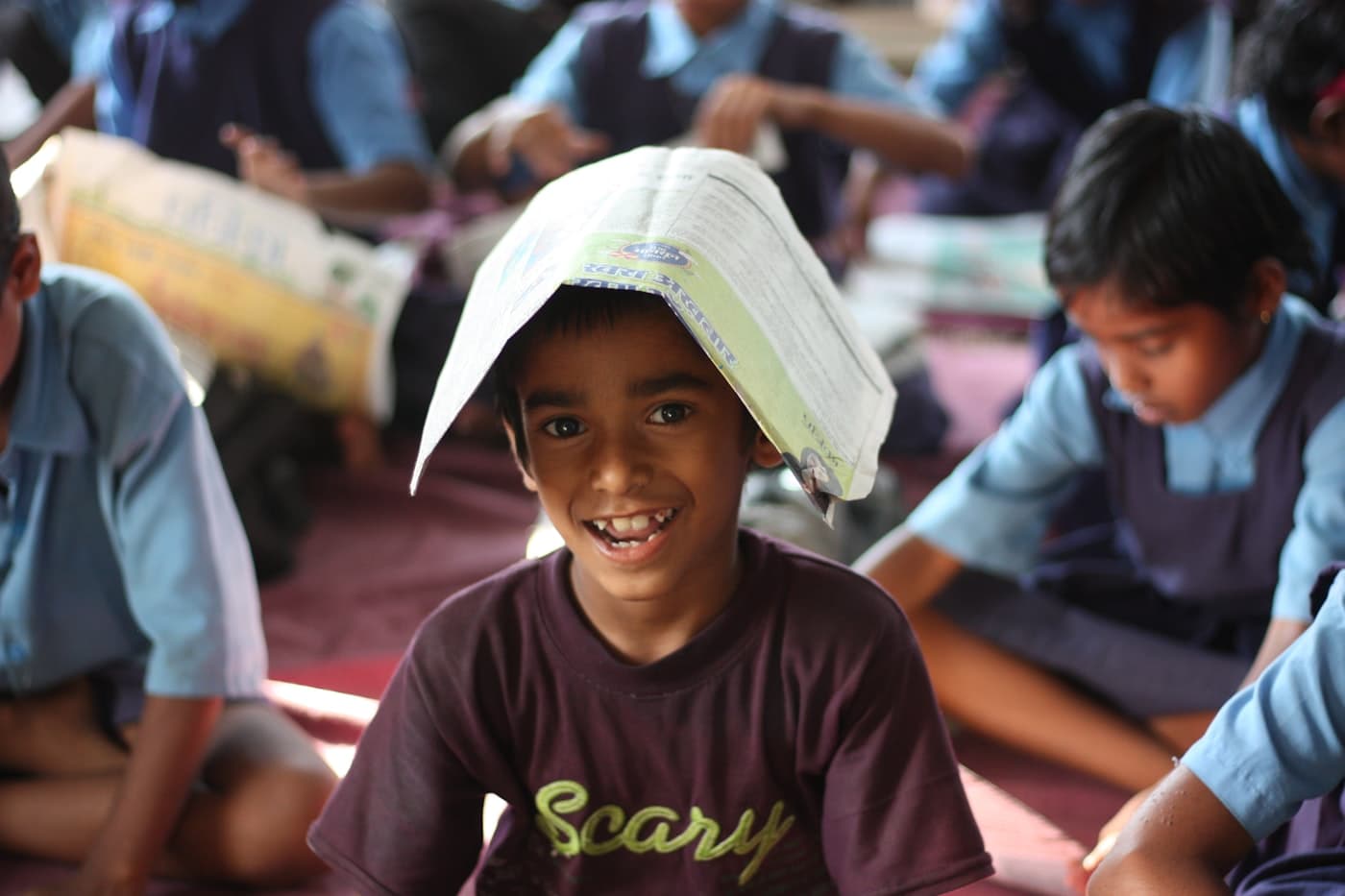
The Indian community in Australia has grown very quickly in recent decades, and India is now one of the largest sources of new migrants to the country. Many families are first-generation, often working in health, technology, engineering and education, and many have young children. That means the question of how to pass on Indian culture is very live for a great many Australian families right now.
Here is a guide to what is available, how life in Australia shapes the way families can celebrate, and how to make live classes from India work.
What is around you
Australia now has temples in every capital city and many regional centres. Some of the best known include the Sri Venkateswara Temple at Helensburgh, south of Sydney, and the Shri Shiva Vishnu Temple at Carrum Downs in Melbourne, along with many community temples in Sydney’s western suburbs, Melbourne’s south-east and west, Brisbane, Perth, Adelaide and Canberra.
Community language schools, usually run on Saturdays, teach Hindi, Punjabi, Tamil, Telugu, Gujarati, Bengali and other languages. Some states support them: New South Wales, for example, funds community language schools through its Community Languages Schools Program. Organisations such as Chinmaya Mission, Hindu Swayamsevak Sangh and ISKCON run children’s programmes, and many cities hold large public Diwali festivals.
Sanskrit in Australia
Sanskrit is harder to find than the modern Indian languages. Some community schools and temple groups offer Sanskrit or shloka chanting, but in many areas there is no regular class. That is often why Australian parents look online specifically for Sanskrit and shloka teaching: they want correct pronunciation, which needs a trained ear, and their local options focus on spoken languages.
Festivals in the southern hemisphere
One thing Australian children notice that Indian children never do: the festivals arrive in the opposite season. Diwali, an autumn festival in India, falls in the Australian spring, often on warm evenings with long daylight, so diyas glow against a sky that is only just darkening. Holi, India’s spring festival, falls in the Australian autumn. Makar Sankranti and Pongal, India’s winter harvest festivals, arrive in the middle of the Australian summer holidays.
Far from being a problem, this is a wonderful conversation to have with children. Why does Holi celebrate spring if it is autumn here? Because the festival follows the Indian seasons and the Indian calendar, wherever its people live. It is a lovely way to explain where your family comes from.
The Australian school year
Australian schools run from late January or early February to mid-December, in four terms with two-week breaks between them and the long summer holidays over Christmas and January. Term dates differ slightly between states. Weekends are Saturday and Sunday. Many families start a new class at the beginning of Term 1, as the year begins, or in Term 3 as a mid-year reset.
Time zones: Australia’s great advantage
India Standard Time is UTC+5:30 with no daylight saving. Australia is ahead of India, and the gap depends on where you live and the time of year.
Sydney, Melbourne, Canberra and Hobart are four and a half hours ahead of India in winter and five and a half hours ahead during daylight saving, which runs from the first Sunday in October to the first Sunday in April. Brisbane does not observe daylight saving, so Queensland stays four and a half hours ahead all year. Adelaide is four hours ahead in winter and five in summer. Darwin stays four hours ahead. Perth, which does not observe daylight saving, is two and a half hours ahead all year.
This works beautifully for live classes. A 5:00 PM after-school class in Sydney or Melbourne falls in the Indian late morning or early afternoon, a comfortable time for mentors. Perth families can take a class in the early evening that falls in the Indian afternoon. Unlike families in North America, Australian children never need to attend at an awkward hour.
In Australia, Diwali comes in spring and Holi in autumn. The festivals travelled with their people, and kept the Indian seasons in their hearts.
Building culture into Australian family life
The Australian outdoor lifestyle offers lovely opportunities. Tell stories under the stars on a camping trip; the Southern Cross is a beautiful starting point for talking about how Indian tradition named the stars, even if Dhruva, the Pole Star, cannot be seen from Australia. Celebrate festivals in the park with friends. Share Diwali sweets with neighbours and classmates.
At home, a daily shloka, an evening lamp and bedtime stories from the epics build the habit. Grandparents in India, only a few hours behind, can call at a reasonable hour for both, which makes them ideal teachers.
Choosing a class
Look for live teaching, small batches, careful pronunciation work, and meaning taught with every verse. Make sure the schedule is set in your state’s local time and handles daylight saving correctly, which differs between states.
Grandparents visiting from India on long stays are common in Australian Indian families, and they can be wonderful teachers during those months. Ask them to take over the bedtime story or the evening shloka while they are with you, and keep the routine going over video calls once they return home.
Our live online classes in shlokas, Sanskrit pronunciation, the Bhagavad Gita, the epics, storytelling and Indian culture run in small batches at Australia-friendly times. If you would like your child to learn with a mentor, enquire about our classes through the Book a Class page. You can read more on our For NRI families page, and fees are listed on our Pricing page.
Learn this with a mentor
Bring this to life for your child with our live, mentor-led Confidence Building and Storytelling.
