
Indian Culture Classes for Kids in Dubai and the UAE: A Guide for Parents
For Indian families in Dubai, Abu Dhabi, Sharjah and across the UAE: the temples and community options now available, how the Saturday–Sunday weekend and Indian-curriculum school year shape scheduling, and the easiest time zone for live classes from India.
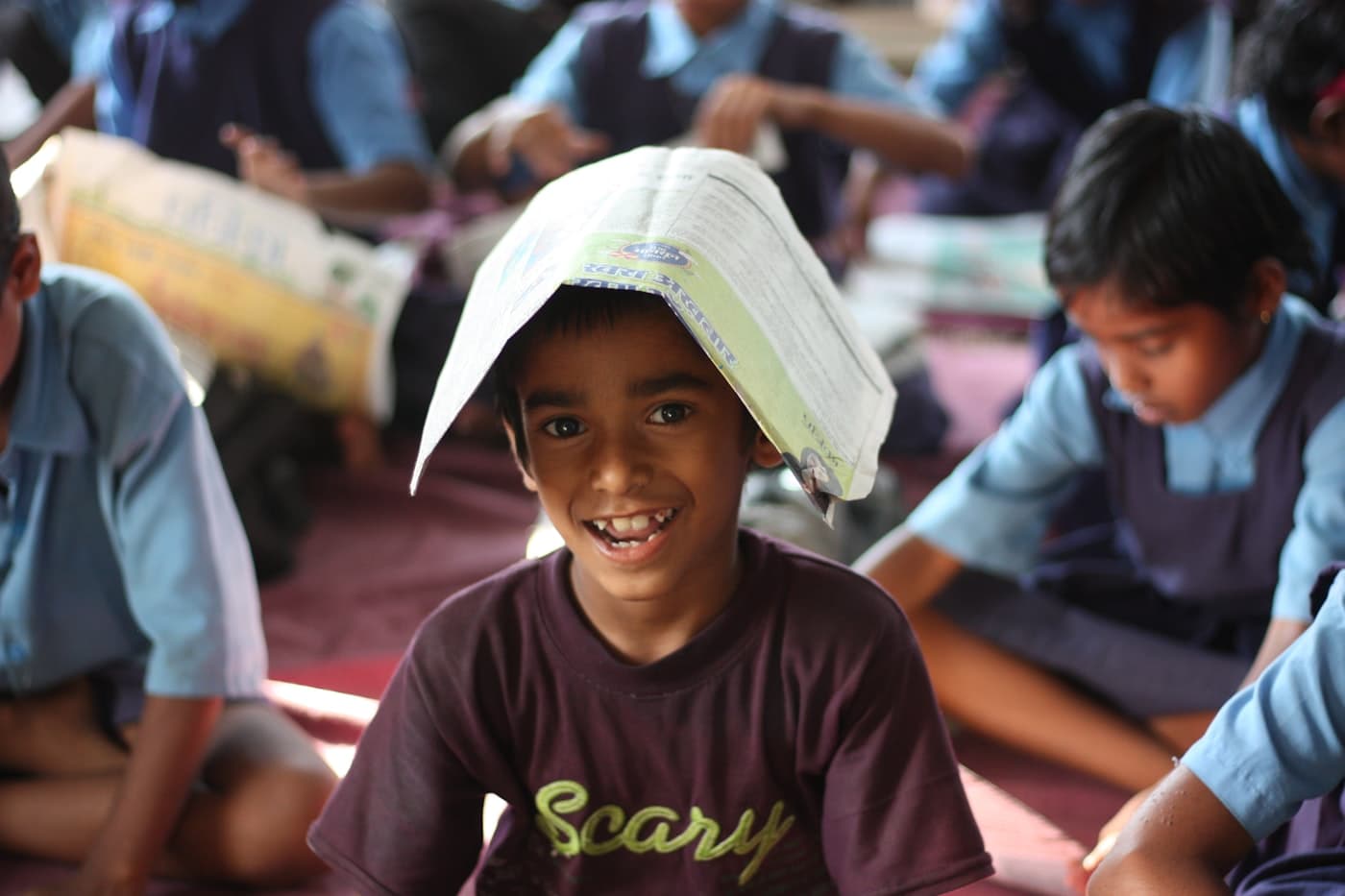
Indian families have been part of life in the Emirates for generations, and Indians are widely described as the largest expatriate community in the UAE. Many families come from Kerala, Tamil Nadu, Karnataka, Andhra Pradesh, Gujarat, Maharashtra, Goa and Punjab, and many children attend Indian-curriculum schools. In some ways, an Indian child in Dubai is surrounded by Indian life: the food, the shops, the languages on the street.
And yet parents often say the same thing: my child is surrounded by Indian culture, but not really taught it. The festivals happen around them; the shlokas, the stories and their meaning often do not get passed on in any structured way. Here is a guide to the options and to scheduling around life in the UAE.
What is available now
The landscape for Hindu families in the UAE has changed a great deal in recent years. For decades, the main temples were the older shrines in Bur Dubai, near the souk. In October 2022 a new Hindu temple opened in Jebel Ali, Dubai. And in February 2024, the BAPS Hindu Mandir in Abu Dhabi was inaugurated, a large traditional stone temple that has become a major landmark and a focal point for families across the country.
Alongside the temples, community associations, regional cultural groups, and organisations such as Chinmaya Mission run children’s programmes, festival events and language classes, often organised through community halls, schools and homes. Indian-curriculum schools frequently mark festivals and some offer Sanskrit or Hindi as subjects.
The UAE weekend and school calendar
Since January 2022, the UAE’s official weekend has been Saturday and Sunday, with a shorter working day on Friday for the federal government. Sharjah moved to a four-day working week, with Friday, Saturday and Sunday off. Most private schools have aligned with these changes, though timings vary by school and emirate.
This matters for scheduling. Many older guides and providers still assume a Friday–Saturday weekend. Today, Saturday and Sunday are the main weekend days for most families, and Friday afternoons are often free from early on, which can be a useful slot for a class.
Indian-curriculum schools in the UAE, which follow CBSE or other Indian boards, generally begin their academic year in April, with a long summer break in July and August when many families travel to India. Schools following British, American or IB curricula usually begin in late August or September. Knowing which calendar your child follows helps you plan when to start a class and when a break is likely.
The easiest time zone there is
Gulf Standard Time is UTC+4, and the UAE does not observe daylight saving. India is UTC+5:30, also with no daylight saving. So India is always exactly one and a half hours ahead of the UAE, all year round.
That makes the UAE the easiest place in the world for live classes from India. A 5:00 PM class in Dubai is 6:30 PM in India. A Saturday morning class at 10:00 AM is 11:30 AM in India. Almost any reasonable slot works on both ends, and there are no clock changes to worry about. Many UAE families take two classes a week because the timing is so convenient.
An hour and a half is barely a time difference at all. For a UAE family, a class from India fits in like a class from down the road.
What families tell us they want
UAE parents tend to be clear about what they are looking for: not exposure, which their children already have, but instruction. Correct Sanskrit pronunciation, the actual meaning of the shlokas their grandparents chant, a real understanding of the Ramayana and Mahabharata rather than a vague familiarity, and the confidence to explain their culture to friends from many other backgrounds.
Because UAE classrooms are so international, children here are often asked about their traditions by classmates from dozens of countries. A child who can explain Diwali, or recite a shloka and say what it means, carries that confidence into every conversation.
Building culture into family life
Families here have one great advantage: India is close. Grandparents can visit easily, and summer trips home are common. Use those trips well. Visit a temple near your family home, ask grandparents to teach a shloka, attend a festival in your home state.
At home, a daily shloka before meals, a lamp in the evening and a story at bedtime build the habit. Festivals can be celebrated fully, with the new weekend making it easier to gather on Saturday or Sunday.
And take children to the new temples. A visit to the Abu Dhabi mandir, with its carved stone and its stories in sculpture, is an education in itself.
Choosing a class
Look for live teaching, small batches grouped by age, attention to pronunciation, and meaning taught with every verse. Make sure the schedule is set in UAE time and around the Saturday–Sunday weekend. And check that the mentor understands the international environment your child is growing up in.
Ramadan is also worth planning for. During the holy month, school and working hours in the UAE are shortened and daily routines shift, especially around iftar in the evening. Many families find it helpful to move a class to an earlier slot for those weeks, and the short time difference with India makes that easy to arrange.
Our live online classes in shlokas, the Bhagavad Gita, the epics, storytelling, public speaking and Indian culture run in small batches at UAE-friendly times. If you would like your child to learn with a mentor, enquire about our classes through the Book a Class page. You can read more on our For NRI families page, and fees are listed on our Pricing page.
Learn this with a mentor
Bring this to life for your child with our live, mentor-led Confidence Building and Storytelling.
