
Ram Navami for Kids: The Story of Rama’s Birth
How was Rama born, and why do we celebrate Ram Navami? The story of King Dasharatha, the sacred payasam and the four princes of Ayodhya, told simply for children.
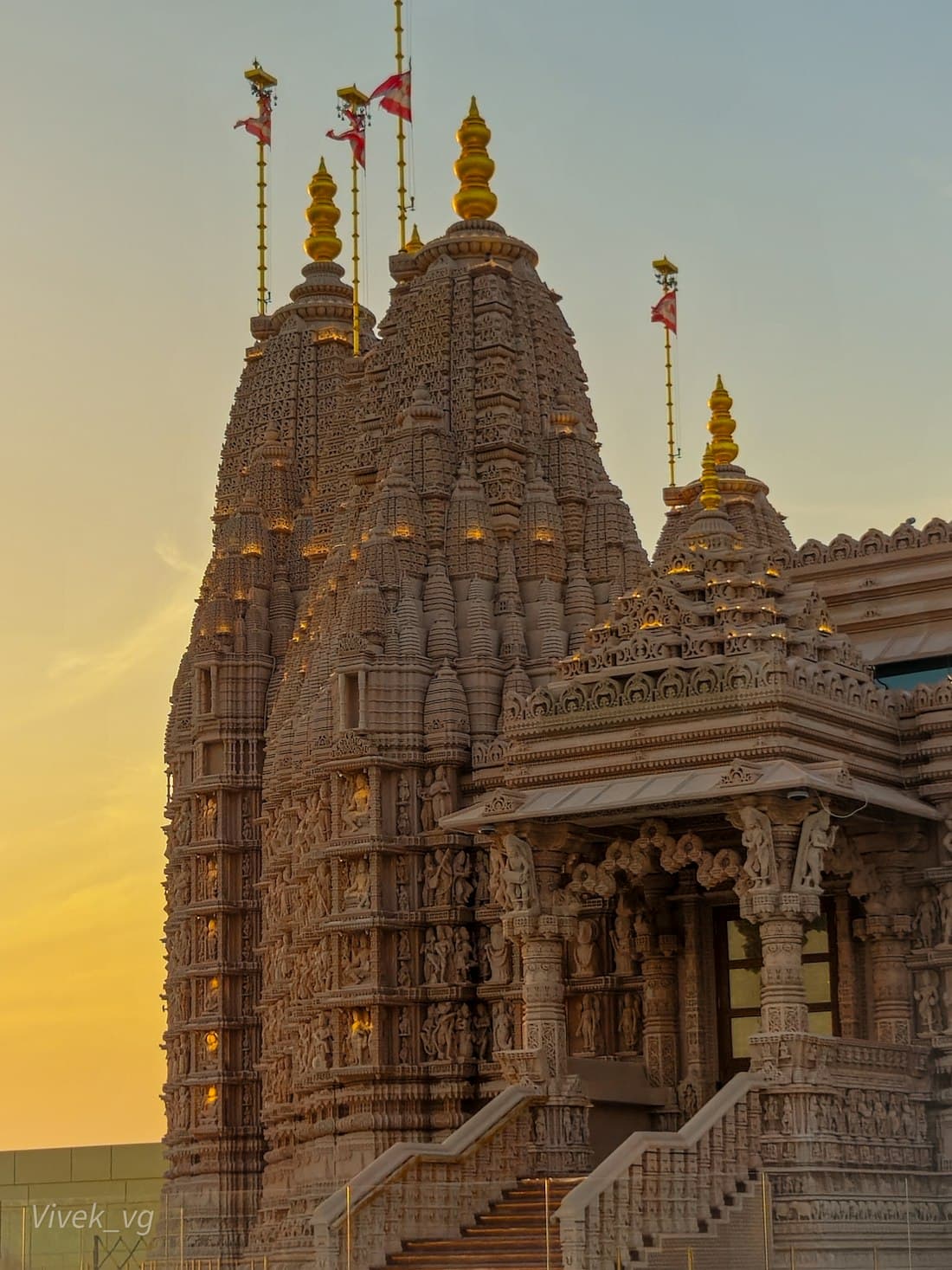
Ram Navami celebrates the birth of Rama, the hero of the Ramayana. It falls on the ninth day, navamī, of the bright fortnight of the month of Chaitra, in spring, usually in March or April, and closes the nine days of Chaitra Navratri. In temples across India the story of Rama’s birth is read aloud, and at around midday, the hour Rama is traditionally said to have been born, a cradle is rocked and the bells ring out.
Most children know Rama as a grown prince, the archer who rescued Sita. Ram Navami is the perfect time to tell them how the story actually begins, in Ayodhya, with a king who longed for children.
The king without a son
Dasharatha was king of Kosala, and his capital was the beautiful city of Ayodhya on the banks of the river Sarayu. He was a good and powerful king, loved by his people, and he had three queens: Kausalya, Kaikeyi and Sumitra. But for many years, he had no children, and he worried about who would look after his kingdom after him.
On the advice of his wise counsellors and his family priest Vasishtha, Dasharatha decided to perform a great sacred fire ritual, the putrakameshti yajna, to pray for sons. The sage Rishyashringa was invited to lead it.
The golden bowl
At the end of the yajna, a radiant figure rose from the sacred fire, holding a golden vessel filled with payasam, a sweet rice pudding. He gave it to Dasharatha and told him to share it among his queens, and they would have sons.
Dasharatha gave half of it to Kausalya, his eldest queen. Of what remained, he gave a portion to Sumitra and a portion to Kaikeyi, and then the last portion to Sumitra again. That is why, in the Ramayana, Kausalya gave birth to Rama, Kaikeyi to Bharata, and Sumitra to twins, Lakshmana and Shatrughna.
The birth of Rama
In the Valmiki Ramayana, Rama was born on the ninth day of Chaitra, under the star Punarvasu, to Queen Kausalya. Bharata, Lakshmana and Shatrughna were born soon after. Ayodhya celebrated as never before: there was music and dancing in the streets, gifts for everyone, and great joy that the king finally had sons.
Four brothers, four mothers’ sons, and yet one family. Lakshmana would never leave Rama’s side, and Shatrughna would never leave Bharata’s. The Ramayana begins with brothers who love one another.
Growing up in Ayodhya
The four princes grew up together, learning the scriptures, archery and the duties of kings from Vasishtha. Even as a child, Rama was known for being kind, truthful, respectful to his elders and gentle with everyone, from the palace servants to the people of the city. Lakshmana was devoted to him from the very beginning, and Shatrughna to Bharata.
When Rama was still a boy, the sage Vishwamitra came to ask for his help in protecting the forest hermitages from demons. Dasharatha was terrified to let his young son go, but Rama went, with Lakshmana at his side, and his great adventures began.
Why Rama is remembered
In the tradition, Rama is honoured as maryādā puruṣottama, the best of men who keeps to what is right. What makes him a hero for children is not his strength with a bow, though he had that too. It is that he kept his word even when it cost him his kingdom, treated everyone with respect, from a ferryman like Guha to the old forest devotee Shabari, and stayed calm and fair even when terrible things happened to him.
These are good things to talk about on Ram Navami. Ask your child: what does it mean to keep a promise even when it is hard? Who is someone you could be kinder to, the way Rama was kind to Shabari? A birthday is a good day to think about what makes a person worth celebrating, and Ram Navami is, after all, a birthday.
How Ram Navami is celebrated
In Ayodhya, crowds of devotees bathe in the Sarayu and visit the temples. In Bhadrachalam in Telangana, the day is celebrated with the Sita Rama Kalyanam, the wedding of Rama and Sita, performed in the temple. In many South Indian homes, people offer and share panakam, a cooling jaggery and pepper drink, along with buttermilk and kosambari, a lentil salad, perfect for a hot spring day. Many families read the Ramayana over the nine days of Chaitra Navratri so that it ends on Ram Navami.
Celebrating with children
Tell the birth story at noon, the traditional hour of Rama’s birth. Let your child decorate a small cradle with flowers. Make panakam together; it is simple, and children love helping. And teach them a short shloka for the day.
The best-loved Rama shloka for children is Shri Rama Rama Rameti from the Rama Raksha Stotra:
श्रीराम राम रामेति रमे रामे मनोरमे । सहस्रनाम तत्तुल्यं रामनाम वरानने ॥ Shiva tells Parvati that chanting Rama’s name is equal to chanting the thousand names of Vishnu.
This shloka has its own page in our free shloka library. And if your child would like to hear the whole Ramayana, from Rama’s birth to his return to Ayodhya, our live Ramayana classes for children tell it kanda by kanda, with a discussion after every story.
Learn this with a mentor
Bring this to life for your child with our live, mentor-led Ramayana for Kids.
